



Fitness Fertiggerichte: Der Kaufguide für 2026
Du kommst nach einem langen Tag oder einem harten Workout nach Hause, der Magen knurrt, aber eine Stunde in der Küche stehen? Keine Lust. Genau hier kommen Fitness Fertiggerichte ins Spiel: in wenigen Minuten fertig, mit ausgewiesenem Proteingehalt. Aber Achtung, Fertiggericht ist nicht gleich Fertiggericht. Zwischen Tiefkühl- und Kühlware, zwischen nachhaltig und Plastik, zwischen günstig und teuer gibt es große Unterschiede. Schauen wir uns an, worauf es ankommt.
8 min. reading time
Summary
Bulky wallets are a thing of the past. With Wall3t, you get a sleek, compact card holder that slips easily into your pocket without the bulk, keeping your everyday carry clean and comfortable.
Bulky wallets are a thing of the past. With Wall3t, you get a sleek, compact card holder that slips easily into your pocket without the bulk, keeping your everyday carry clean and comfortable.
Bulky wallets are a thing of the past. With Wall3t, you get a sleek, compact card holder that slips easily into your pocket without the bulk, keeping your everyday carry clean and comfortable.
Bulky wallets are a thing of the past. With Wall3t, you get a sleek, compact card holder that slips easily into your pocket without the bulk, keeping your everyday carry clean and comfortable.
Bulky wallets are a thing of the past. With Wall3t, you get a sleek, compact card holder that slips easily into your pocket without the bulk, keeping your everyday carry clean and comfortable.
Bulky wallets are a thing of the past. With Wall3t, you get a sleek, compact card holder that slips easily into your pocket without the bulk, keeping your everyday carry clean and comfortable.
Bulky wallets are a thing of the past. With Wall3t, you get a sleek, compact card holder that slips easily into your pocket without the bulk, keeping your everyday carry clean and comfortable.
Warum Fitness Fertiggerichte? Die Vorteile
Nach einem harten Workout steht in wenigen Minuten eine Mahlzeit mit ordentlich Protein vor dir, kein Schnippeln, kein Abwasch. Die wichtigsten Pluspunkte:
Time-saving
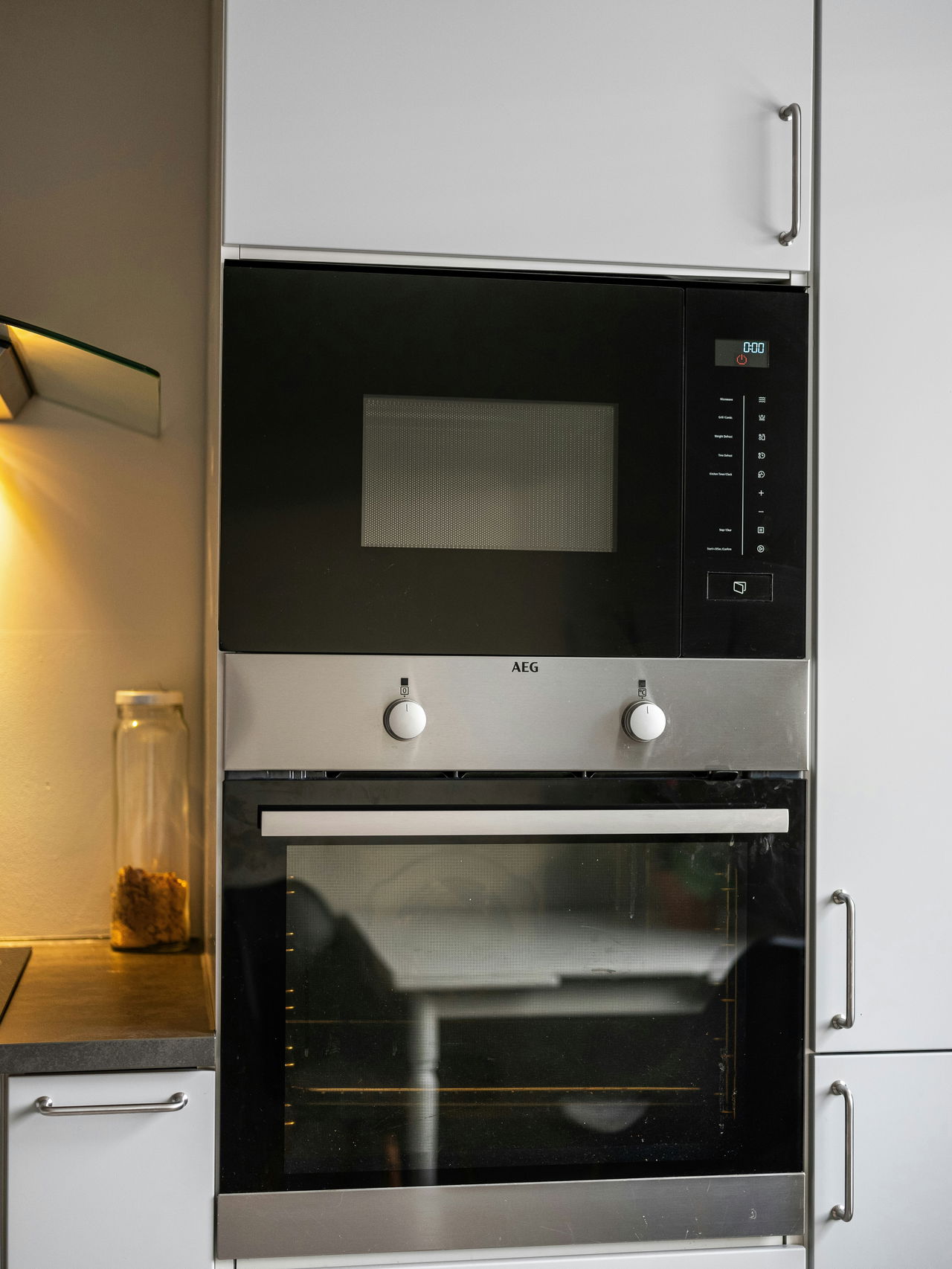
Mikrowelle an, 4-9 Minuten warten, fertig. Schneller kommst du nicht an eine vernünftige Mahlzeit
Ausgewiesene Werte
Die meisten der Gerichte sind bewusst zusammengestellt – viel Protein, kontrollierte Kalorien

Diversity
Egal ob du vegan lebst, Fleisch liebst oder irgendwo dazwischen liegst, die Auswahl ist mittlerweile riesig
Long shelf life
Tiefgekühlt halten die Gerichte problemlos mehrere Tage bis Wochen. Du hast also immer einen Plan B im Gefrierschrank
Tiefkühl- vs. Kühlware: Was passt zu dir?
Die Frage stellt sich jeder beim ersten Bestellen. Beide Varianten haben ihre Stärken:
Tiefkühlware: längere Haltbarkeit, Geschmack und Konsistenz bleiben gut erhalten, flexibel einsetzbar.
Kühlware: frisch, kein Tiefkühlfach nötig, schnellere Zubereitung.
Unser Tipp: Teste beides. Manche Gerichte funktionieren tiefgekühlt super, andere schmecken gekühlt besser.
Unser Tipp: Teste beides. Manche Gerichte funktionieren tiefgekühlt super, andere schmecken gekühlt besser.
Nährwert-Preis-Index: Was kostet 30 g Protein?
Nur weil „High Protein" auf der Packung steht, heißt das noch nicht, dass du guten Gegenwert bekommst. Ein Rechenbeispiel:
Ready meal A
(Price: € 4.50 per meal, 25g protein)
Price per 30g protein:
5,40 €
Ready meal B (Price: 5,00 € per meal, 30g protein)
Price per 30g protein:
5,00 €
Auf den ersten Blick wirkt A günstiger, ist es aber nicht, wenn du auf den Proteingehalt schaust. Gerade wer auf seine Makros achtet, für den lohnt sich diese Rechnung, über einen Monat gerechnet macht es einen Unterschied im Geldbeutel.
Nachhaltigkeit: Worauf du achten kannst
Okay, Hand aufs Herz! Fertiggerichte und Nachhaltigkeit passen nicht automatisch zusammen, aber es tut sich was. Worauf du beim Bestellen schauen kannst:


1
Packaging material
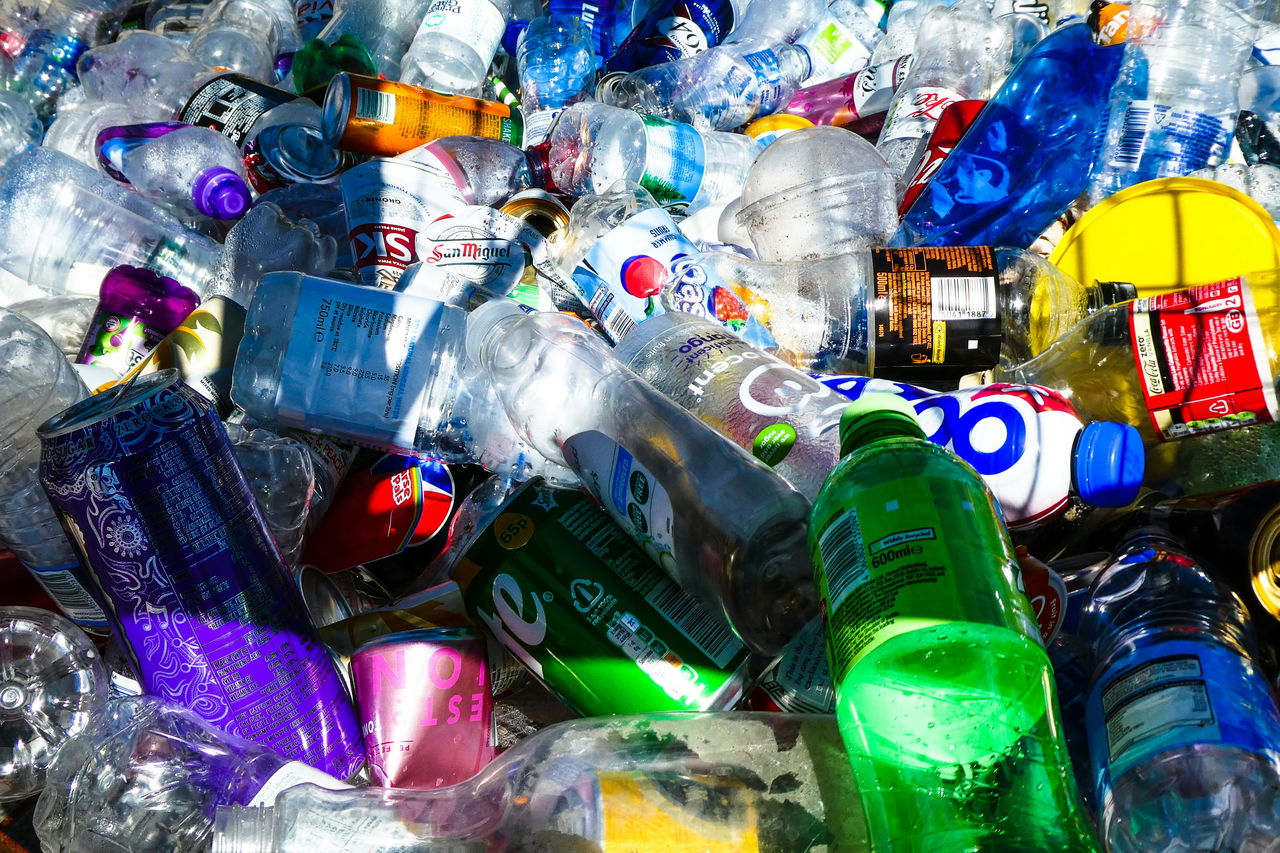
Plastikschalen sind oft noch Standard. Manche Hersteller setzen auf Papier oder Pappe.

2
CO2 footprint
Manche Anbieter arbeiten mit Trockeneis oder kompensieren den Ausstoß. Schau, wer das transparent kommuniziert.
3
Recycling
Je einfacher die Verpackung zu trennen ist, desto besser.
Zubereitungs-Tipps: So wertest du Fertiggerichte auf
Mit ein paar Handgriffen wird aus einem soliden Gericht eine richtig gute Mahlzeit. Unsere Lieblingstricks:


1
Fresh toppings
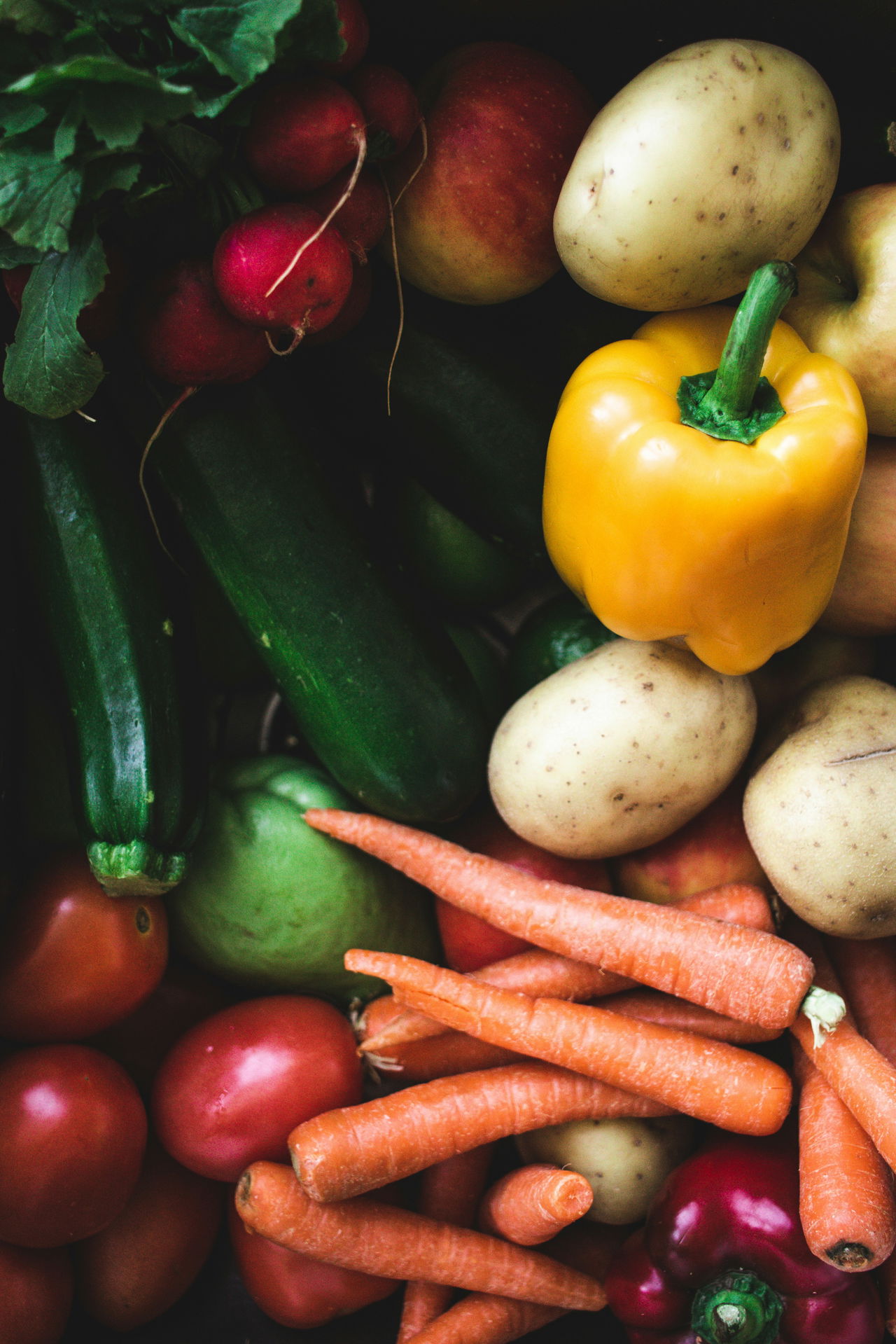
Ein paar gehackte Kräuter, geröstete Nüsse oder eine halbe Avocado drauf und schon hast du mehr Textur und Geschmack

2
Sauces & dips
Ein Klecks Siracha, etwas Joghurt mit Knoblauch oder eine gute Sojasauce können Wunder wirken
3
Combinations
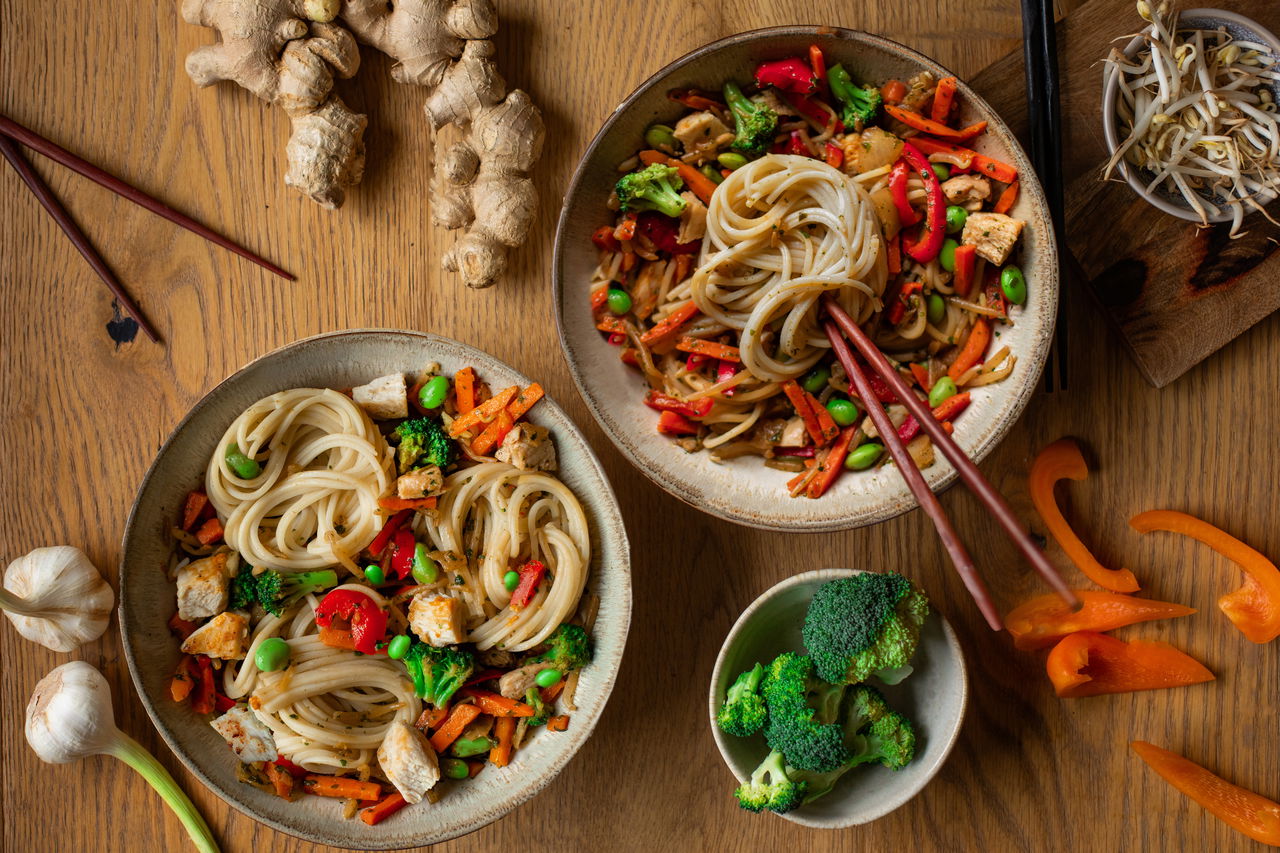
Zwei verschiedene Gerichte auf einem Teller? Warum nicht. Macht mehr Abwechslung und du deckst mehr Nährstoffe ab!
Fazit: Fitness Fertiggerichte im Alltag
Fitness Fertiggerichte sind keine Notlösung mehr, sondern eine praktische Alternative. Ob tiefgekühlt oder gekühlt, hängt von deinem Lebensstil ab. Wichtig ist: genau hinschauen. Vergleiche den Preis pro Protein, achte auf die Verpackung und teste verschiedene Anbieter. So findest du schnell heraus, was für dich funktioniert, ganz ohne jeden Abend am Herd zu stehen.
Keine Zeit zum Kochen?
prepmymeal liefert dir fertig gekochte Gerichte, klar portioniert und mit Nährwertangaben pro Portion, direkt nach Hause.
ORDER NOW
Questions and answers
Fertig zubereitete Mahlzeiten mit erhöhtem Proteinanteil und vollständig deklarierten Nährwerten pro Portion.
Ja. Gut gemachte Fertiggerichte bestehen aus nachvollziehbaren Zutaten mit klar ausgewiesener Makronährstoffverteilung.
Direkt nach der Zubereitung schockgefrorene Mahlzeiten bewahren Geschmack und Textur gut, auch im Vergleich zu länger gelagerten gekühlten Gerichten.
Tiefkühlgerichte je nach Hersteller meist 6 bis 12 Monate. Gekühlte Gerichte deutlich kürzer, oft nur wenige Tage.
Meist reichen Mikrowelle oder Pfanne, viele Gerichte sind in 5 bis 10 Minuten fertig. Mit frischem Gemüse, Kräutern oder Toppings wertest du sie geschmacklich auf.
Für Menschen mit wenig Zeit, die trotzdem auf ihre Makros und Portionen achten wollen.
Ja, viele Anbieter haben Gerichte mit Fokus auf Protein sowie vegetarische und vegane Varianten, jeweils mit ausgewiesenen Nährwerten.
Fertiggerichte mit ausgewiesenem Proteingehalt können praktisch sein, wenn du auf deine Makros achtest. Wie viel Protein pro Portion drinsteckt, siehst du in der Nährwerttabelle.
Bei schlechter Auswahl möglicherweise viel Salz, Zucker oder Zusatzstoffe. Bei Tiefkühlware kann Geschmack oder Textur leicht anders sein als frisch gekocht. Ein Blick auf Zutatenliste und Nährwerte hilft.
An transparenten Nährwertangaben, einer kurzen, nachvollziehbaren Zutatenliste, einem ausgewiesenen Proteingehalt, wenig Salz und Zucker und einer Portionierung, die zu dir passt.
Follow us on social media


