



Breakfast for Weight Loss: Achieve Success with the 2-Hour Rule & the Satiety Index
Der Zeitpunkt deines Frühstücks kann eine Rolle für dein Sättigungsgefühl spielen. Die optimale Strategie: Ein proteinreiches Frühstück (ca. 30g Eiweiß) etwa 60–120 Minuten nach dem Aufstehen.
8 min. reading time
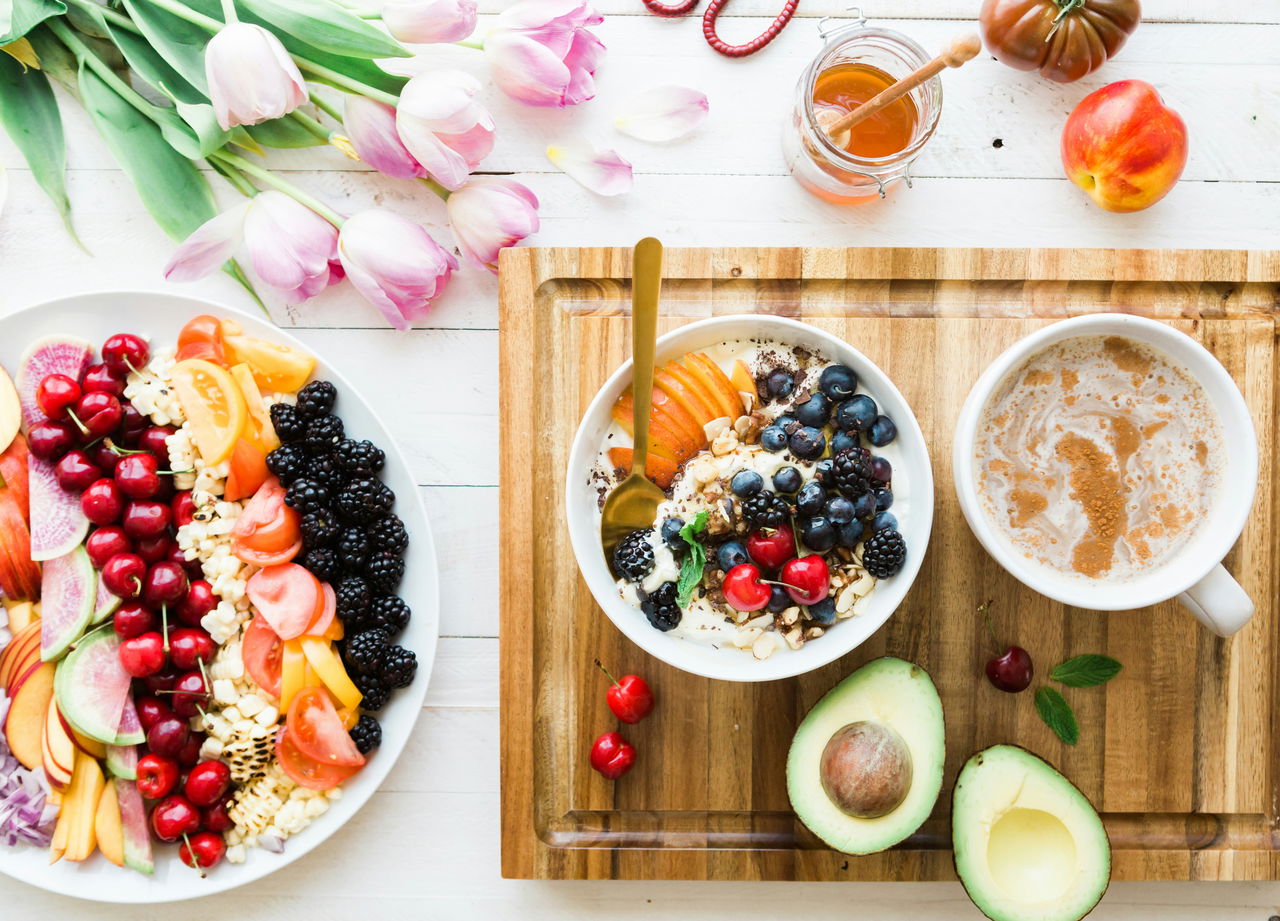
Wenn du effektiv abnehmen willst, kommt es nicht nur auf die Menge an, sondern auf Timing und Energiedichte.
Summary
Bulky wallets are a thing of the past. With Wall3t, you get a sleek, compact card holder that slips easily into your pocket without the bulk, keeping your everyday carry clean and comfortable.
Bulky wallets are a thing of the past. With Wall3t, you get a sleek, compact card holder that slips easily into your pocket without the bulk, keeping your everyday carry clean and comfortable.
Bulky wallets are a thing of the past. With Wall3t, you get a sleek, compact card holder that slips easily into your pocket without the bulk, keeping your everyday carry clean and comfortable.
Bulky wallets are a thing of the past. With Wall3t, you get a sleek, compact card holder that slips easily into your pocket without the bulk, keeping your everyday carry clean and comfortable.
Der Sättigungs-Index: Was hält dich wirklich satt?
Abnehmen bedeutet nicht hungern, sondern Volumen-Hacking. Dein Magen hat Dehnungsrezeptoren. Diese reagieren auf die Menge der Nahrung, nicht auf die Kalorien.
Top Weight-Loss Foods by Energy Density & Satiety
Tip: Choose foods with a low energy density. You can eat 500 grams of low-fat quark with berries (about 400 calories) and feel completely full, whereas a single chocolate croissant (about 450 calories) will leave you hungry again after an hour.
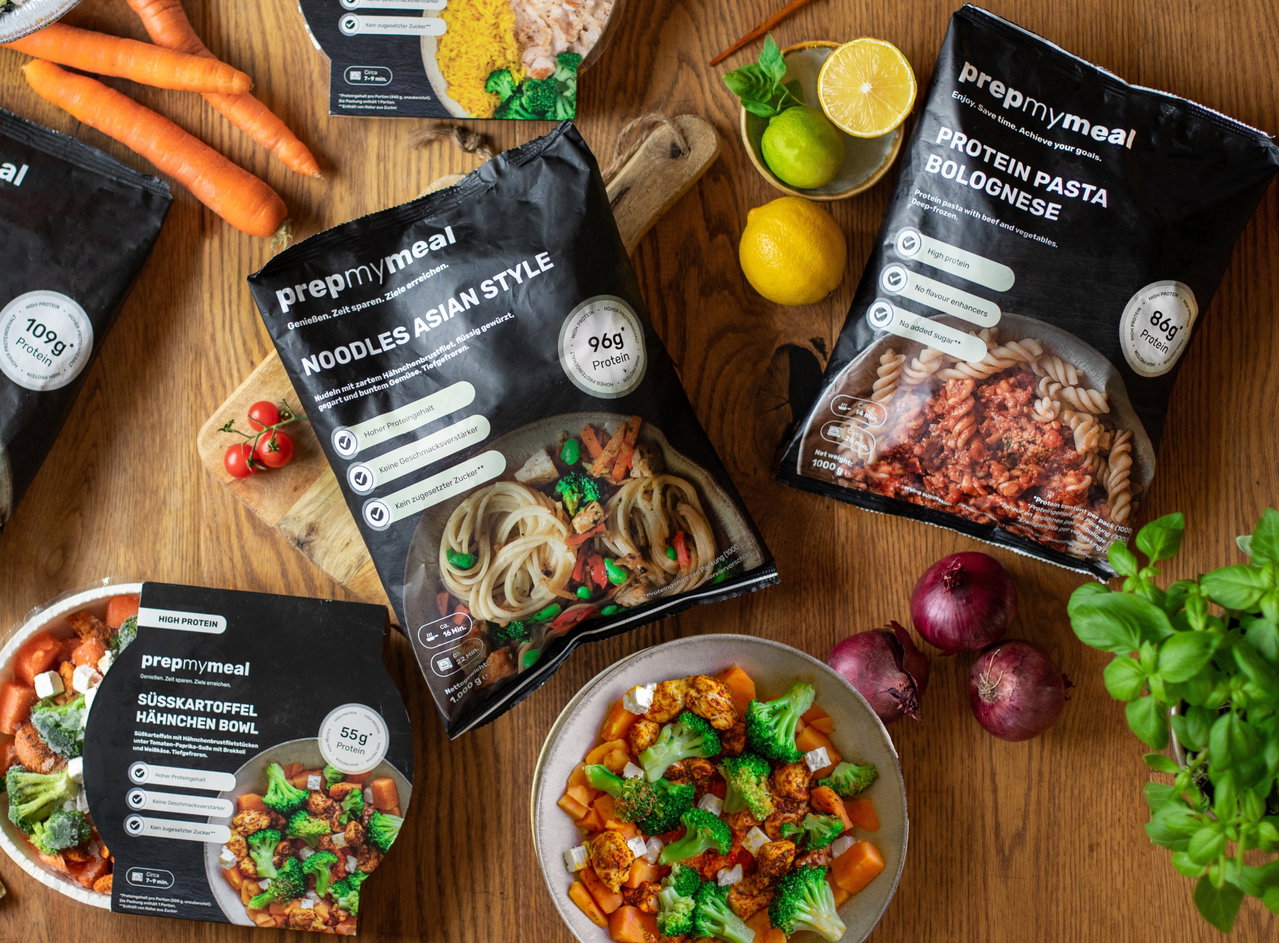
Passende prepmymeal Gerichte entdecken!
ORDER NOW
Chrono-Nutrition: Your Optimized Morning Routine
Dein optimierter 3-Schritt-Plan für den Morgen:
Step 1: Hydration & Light
(0–30 minutes after waking up)
Trinke direkt nach dem Aufstehen ein Glas Wasser (gerne mit einem Spritzer Zitrone)
Step 2: The Protein Priority (60–120 minutes after waking up)
Dein Frühstück sollte mindestens 30g Protein enthalten. Idee: Ein Omelett aus 3 Eiern oder eine große Bowl Skyr
Step 3: Smart Carbs
Carbs aren't the enemy, but they need to fit into your diet. If you work out in the morning, include complex carbs like oatmeal or whole-grain bread. If you have an office job, keep your carb intake low in the morning ("Low Insulin Start").
5 Breakfast Strategies to Combat "Decision Fatigue"
Wusstest du, dass wir pro Tag über 200 Entscheidungen zum Thema Essen treffen? Morgens unter Zeitdruck ist unsere Willenskraft am schwächsten. Das nennen Psychologen Decision Fatigue (Entscheidungsmüdigkeit).
Automation:
Iss unter der Woche immer das gleiche Frühstück
Meal Prep:
Bereite deine Overnight Oats am Sonntag für 3 Tage vor
Protein-First: W
ähle das Rührei-Brötchen statt der Marmeladensemmel
A stopgap measure:
Ein Protein-Shake ist besser als gar kein Frühstück
Ready-made solutions:
Nutze vorportionierte Fertiggerichte von prepmymeal mit ausgewiesenen Makronährstoffen pro Portion
Conclusion: Consistency beats perfection
Losing weight in the morning isn't rocket science. If you follow the 2-hour rule
beachtest und auf einen hohen Sättigungs-Index (viel Protein, viel Volumen) setzt, hast du den schwierigsten Teil des Tages bereits gewonnen
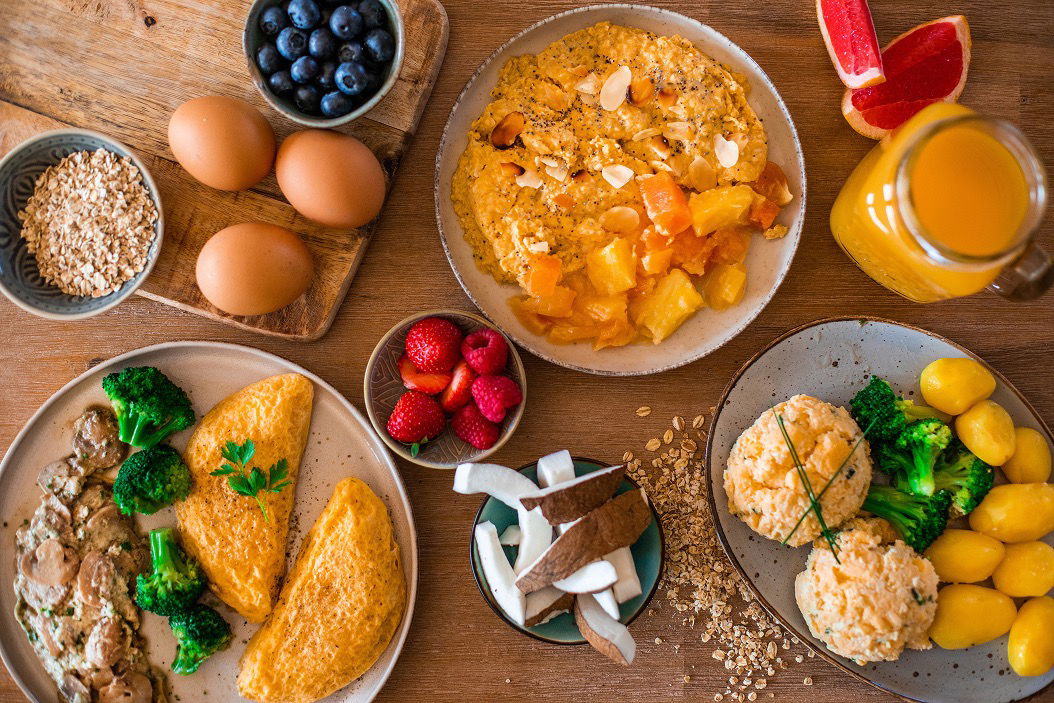
Jetzt praktische Gerichte von prepmymeal entdecken!
ORDER NOW
Questions and answers.
Das beste Frühstück zum Abnehmen kombiniert eine hohe Proteindichte (ca. 30g) mit komplexen Ballaststoffen. Ideal sind Speisen wie Magerquark mit Beeren, Eierspeisen mit Gemüse oder zuckerfreies Porridge. Diese Kombination kann helfen, länger satt zu bleiben.
For most people, the ideal range is between 300 and 500 calories. However, energy density is more important than the sheer number of calories: 400 calories from unprocessed foods like eggs and vegetables keep you full much longer than 400 calories from a processed cereal.
Ballaststoffe und Proteine können zur Sättigung beitragen.
Follow us on social media


