



High Protein Meal Prep: Der Guide für die ganze Woche
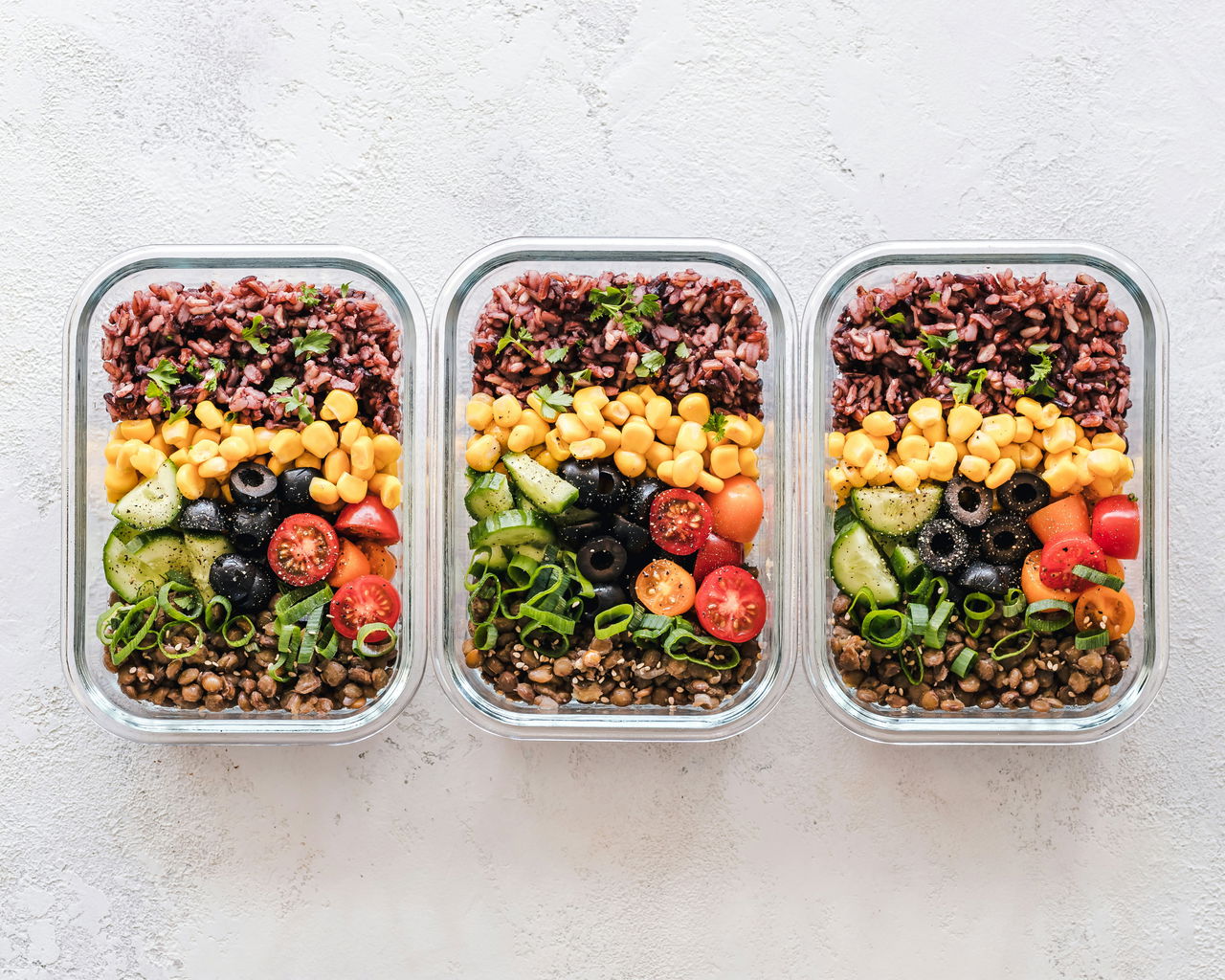
High Protein Meal Prep heißt: Mahlzeiten mit viel Protein vorplanen, um die Proteinzufuhr über die Woche konstant zu halten. Die meisten Artikel hören bei einer Rezeptsammlung auf. In der Praxis stellen sich aber ganz andere Fragen: Wie plane ich eine ganze Woche? Wie lange sind die Gerichte haltbar? Was kostet das pro Portion? Und wie passe ich es an Allergien oder eine vegetarische Ernährung an? Genau das klären wir hier, strukturiert und umsetzungsfertig.
8 min. reading time
Summary
Bulky wallets are a thing of the past. With Wall3t, you get a sleek, compact card holder that slips easily into your pocket without the bulk, keeping your everyday carry clean and comfortable.
Bulky wallets are a thing of the past. With Wall3t, you get a sleek, compact card holder that slips easily into your pocket without the bulk, keeping your everyday carry clean and comfortable.
Bulky wallets are a thing of the past. With Wall3t, you get a sleek, compact card holder that slips easily into your pocket without the bulk, keeping your everyday carry clean and comfortable.
Bulky wallets are a thing of the past. With Wall3t, you get a sleek, compact card holder that slips easily into your pocket without the bulk, keeping your everyday carry clean and comfortable.
Bulky wallets are a thing of the past. With Wall3t, you get a sleek, compact card holder that slips easily into your pocket without the bulk, keeping your everyday carry clean and comfortable.
Bulky wallets are a thing of the past. With Wall3t, you get a sleek, compact card holder that slips easily into your pocket without the bulk, keeping your everyday carry clean and comfortable.
Bulky wallets are a thing of the past. With Wall3t, you get a sleek, compact card holder that slips easily into your pocket without the bulk, keeping your everyday carry clean and comfortable.
The best protein sources for meal prep
Damit dir nach zwei Wochen nicht die Lust vergeht, brauchst du Abwechslung bei den Proteinquellen:


1
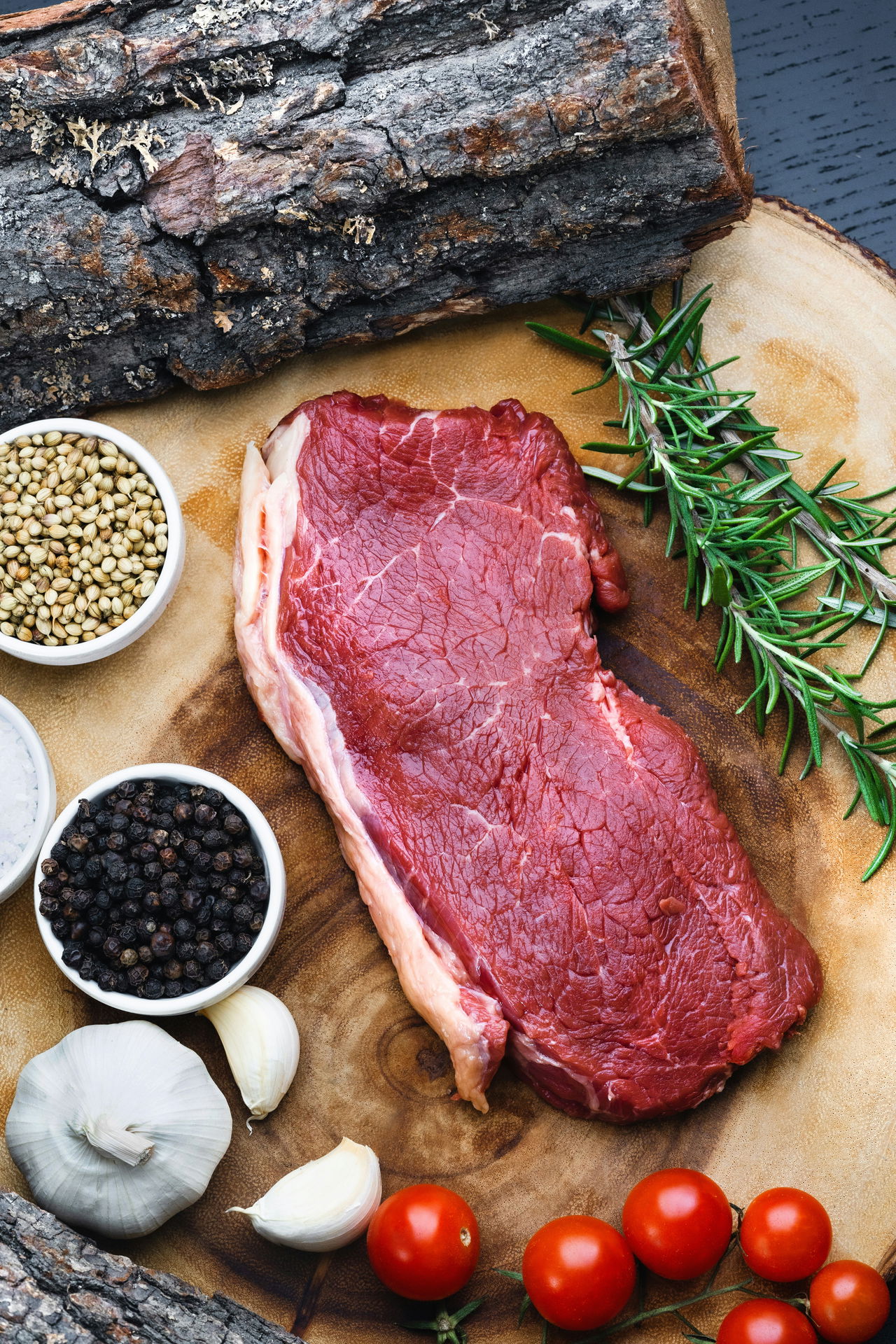
Animal protein sources
Hähnchenbrust, Pute, mageres Rind, Lachs und anderer fetter Fisch, Eier und Eiklar, Skyr, Magerquark, Hüttenkäse

2
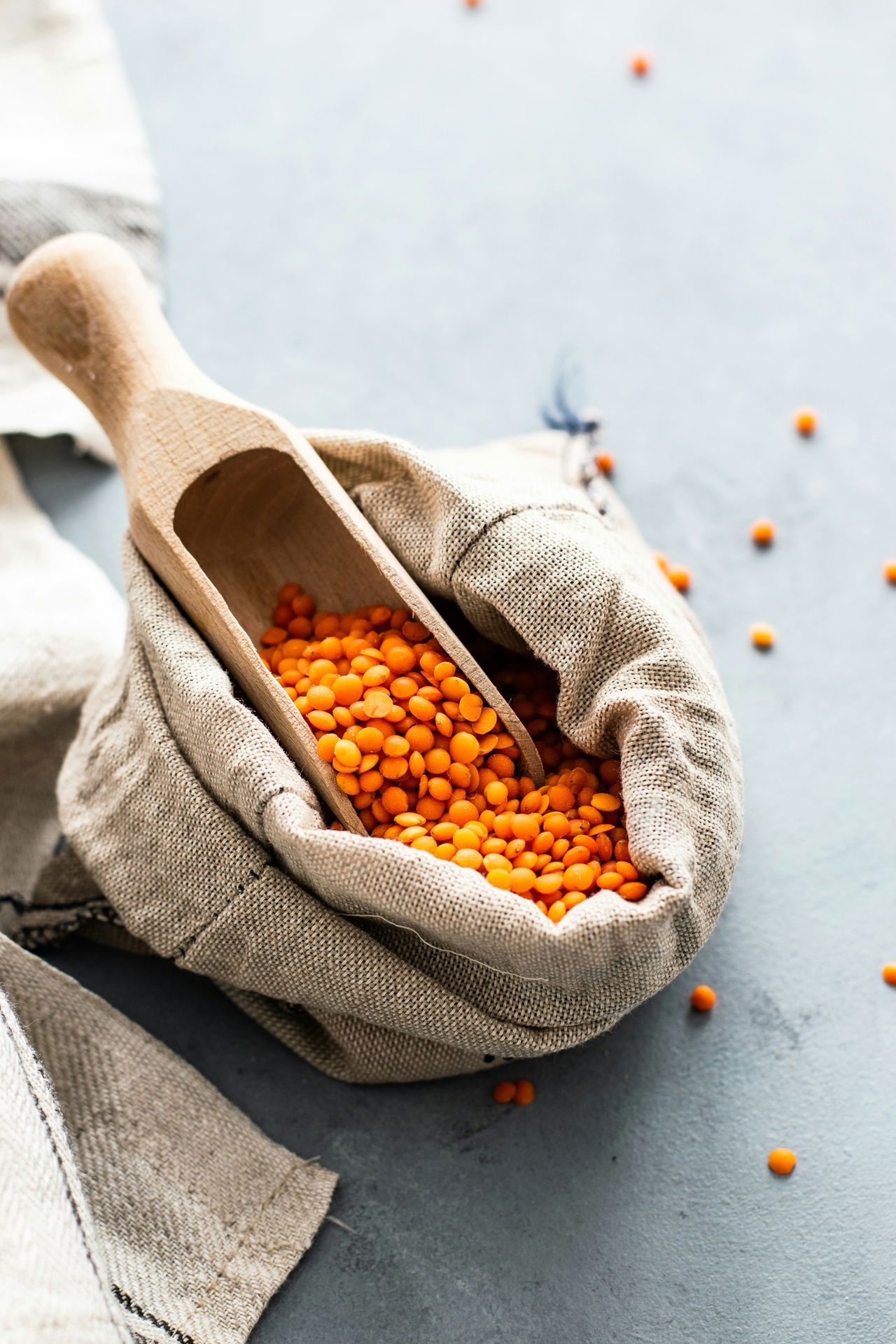
Plant-based protein sources
Tofu und Tempeh, Linsen, Kichererbsen, Bohnen, Edamame, Seitan, vegane Proteinpasta, Proteinpulver zur Ergänzung
Tipp: Kombiniere pflanzliche Proteine, zum Beispiel Linsen mit Reis, für ein vollständiges Aminosäureprofil.
The 7-day protein cycle
Zyklus A: hohe Proteinzufuhr (ca. 2.800 kcal / ≥ 200 g Protein)
Zyklus B: moderate Proteinzufuhr (ca. 1.900 kcal / ≥ 170 g Protein)
Haltbarkeit & Lebensmittelsicherheit
Grundregel: Gekochte Speisen abkühlen lassen und luftdicht lagern.
Die besten Behälter: Glas ist langlebig, mikrowellenfest und hygienisch. BPA-freies Plastik ist leichter und günstiger. Getrennte Fächer für Sauce und Beilage verhindern matschiges Essen.

Kosten-Check: Lohnt sich High Protein Meal Prep?
Example: Chicken and rice meal
Zum Vergleich: eine Takeaway-Bowl kostet oft 10–12 €. Bei 10 Mahlzeiten pro Woche kommt so grob 80 € Ersparnis im Monat zusammen.
Meal prep according to diet & allergies
Vegan: Tofu, Tempeh, Linsen, Seitan
Vegetarisch: Eier, Skyr, Hüttenkäse
Glutenfrei: Reis, Quinoa, Kartoffeln
Laktosefrei: Fleisch, Fisch, pflanzliche Proteine
High Protein Shakes & Smoothies (To go)
Skyr + berries + whey → 40 g protein
Banana + peanut butter + protein powder → great after training
Veganer Shake: Haferdrink + Erbsenprotein + Kakao
Warum sich High Protein Meal Prep im Alltag bewährt
High Protein Meal Prep verbindet Planung, Abwechslung und Zeitersparnis. Wer es einmal eingerichtet hat, braucht deutlich weniger Aufwand pro Woche. Du sparst Zeit, Geld und Nerven und hast deine Proteinzufuhr verlässlich im Blick. Einmal richtig geplant, läuft der Rest fast von allein.
Keine Zeit zum Vorkochen?
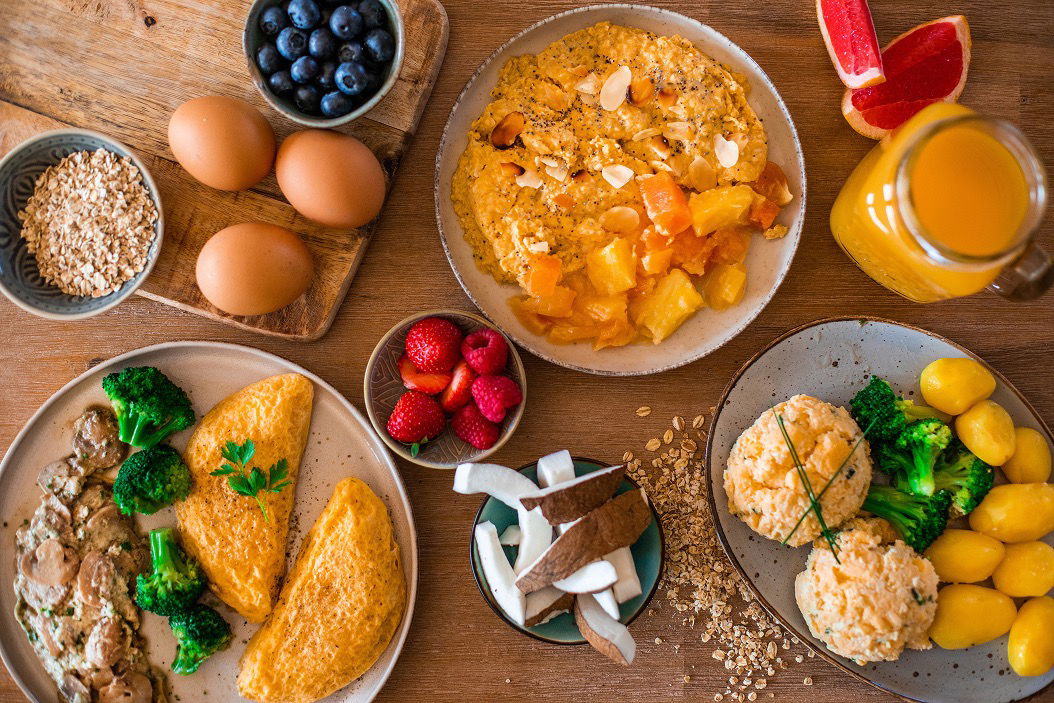
prepmymeal liefert dir fertig gekochte Gerichte, klar portioniert und mit Nährwertangaben pro Portion, direkt nach Hause.
ORDER NOW
QUESTIONS AND
ANSWERS.
Für Erwachsene, die regelmäßig trainieren, nennt die Literatur häufig 1,6–2,2 g pro kg Körpergewicht. Wer wenig Sport treibt, kommt mit weniger aus
Auf Abwechslung bei den Proteinquellen und ausreichend Gemüse und Ballaststoffe als Beilage.
Klar, die meisten Gerichte lassen sich problemlos einfrieren und behalten dabei Struktur & Nährwerte
Am sinnvollsten sind 1–2 Prep-Sessions pro Woche. Mehr ist oft zu aufwendig, weniger bedeutet, dass du öfter ran musst
Absolut. Starte mit 3–5 Gerichten für die Woche und steigere dich langsam. Du musst nicht gleich wie ein Profi-Bodybuilder vorgehen
Follow us on social media


