



Meal Prepping: Der
ultimative Guide für zeitsparende
Meals
Kennst du das? Es ist Montagmorgen, der Wecker klingelt, und dir wird schon beim Aufstehen bewusst: Die ganze Woche wieder jeden Abend in der Küche stehen. Oder doch lieber zum dritten Mal diese Woche den Lieferdienst anrufen? Beides muss nicht sein. Meal Prepping nimmt dir genau diesen Stress und noch dazu sparst du Zeit, Geld und behältst die volle Kontrolle darüber, was wirklich auf deinem Teller landet
8 min. reading time
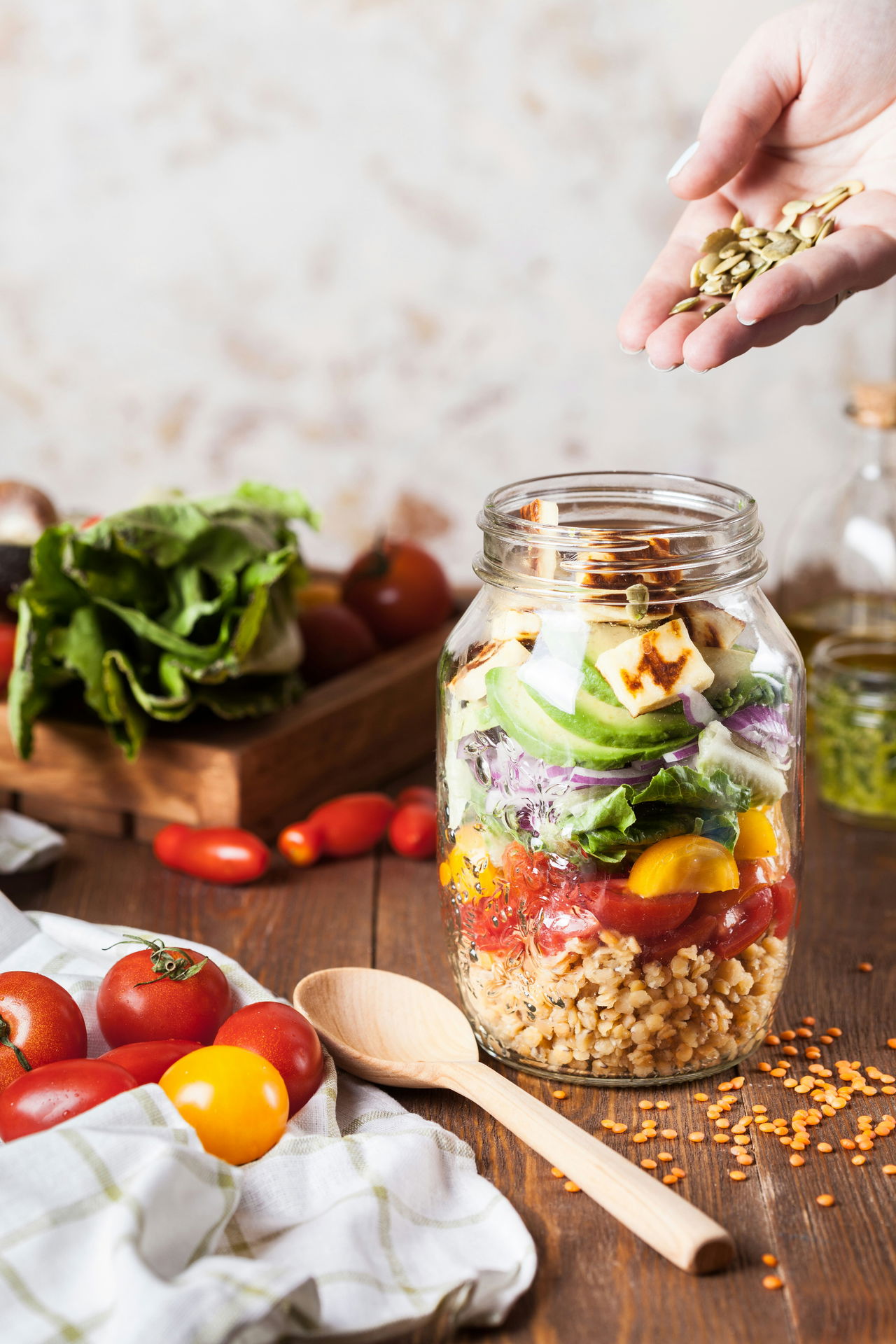
This article shows you exactly how to integrate meal prepping into your everyday life, which kitchen gadgets make your life easier, and how you can save money and time in the process.
Summary
Bulky wallets are a thing of the past. With Wall3t, you get a sleek, compact card holder that slips easily into your pocket without the bulk, keeping your everyday carry clean and comfortable.
Bulky wallets are a thing of the past. With Wall3t, you get a sleek, compact card holder that slips easily into your pocket without the bulk, keeping your everyday carry clean and comfortable.
Bulky wallets are a thing of the past. With Wall3t, you get a sleek, compact card holder that slips easily into your pocket without the bulk, keeping your everyday carry clean and comfortable.
Bulky wallets are a thing of the past. With Wall3t, you get a sleek, compact card holder that slips easily into your pocket without the bulk, keeping your everyday carry clean and comfortable.
Bulky wallets are a thing of the past. With Wall3t, you get a sleek, compact card holder that slips easily into your pocket without the bulk, keeping your everyday carry clean and comfortable.
Bulky wallets are a thing of the past. With Wall3t, you get a sleek, compact card holder that slips easily into your pocket without the bulk, keeping your everyday carry clean and comfortable.
Bulky wallets are a thing of the past. With Wall3t, you get a sleek, compact card holder that slips easily into your pocket without the bulk, keeping your everyday carry clean and comfortable.
Bulky wallets are a thing of the past. With Wall3t, you get a sleek, compact card holder that slips easily into your pocket without the bulk, keeping your everyday carry clean and comfortable.
What is meal prepping and why is it useful?
Meal Prepping bedeutet im Kern: Du kochst an einem Tag für mehrere Tage vor. Statt jeden Abend aufs Neue zu überlegen, was es gibt, bereitest du Gerichte zu, die du einfach aufbewahrst und bei Bedarf nur noch aufwärmen musst. Warum das Sinn macht?

1
Save time:
You spend a few hours in the kitchen once a week instead of an hour every day. The bottom line is that you save a lot of time.
2
Save money:
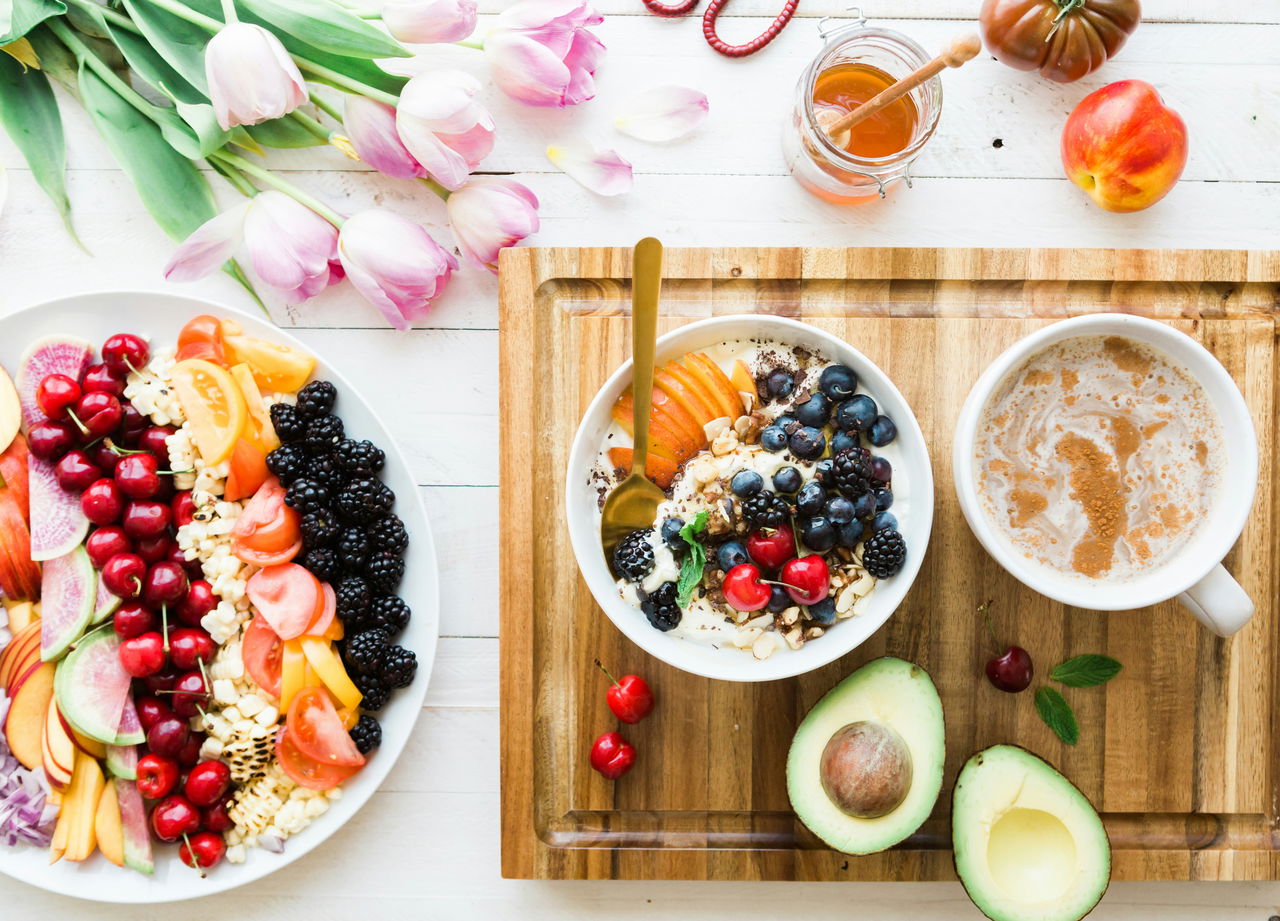
Those who shop selectively throw away less, and those who have pre-cooked meals are less likely to resort to expensive delivery services or canteen food.
3
Kontrolle über Zutaten:
Du entscheidest, was reinkommt. Keine Zusatzstoffe, kein Rätselraten über Zutaten.
Step-by-step guide: How to get started with meal prepping
Meal Prepping klingt vielleicht erst mal nach viel Aufwand, ist aber eigentlich unkompliziert. Hier die wichtigsten Schritte:
Planning
Überleg dir am Wochenende, was du die kommende Woche essen möchtest. Welche Gerichte magst du? Was lässt sich schnell zubereiten? Bau ruhig Abwechslung ein, niemand will fünf Tage hintereinander das Gleiche essen.
2. Create a shopping list
Schreib alles auf, was du brauchst. Dabei lohnt es sich, auf saisonale Produkte zu setzen, die schmecken besser und sind günstiger. Überleg auch, wo du auf Vorrat kaufen kannst, zum Beispiel Reis, Hülsenfrüchte oder Tiefkühlgemüse.
3. Pre-cooking
Jetzt geht's los: Koch große Mengen von Basiszutaten wie Reis, Hähnchen, Gemüse oder Linsen oder bereite gleich komplette Gerichte wie Eintöpfe oder Currys zu, die lassen sich super in größeren Portionen kochen.
4. Storage
Die richtige Lagerung ist entscheidend. Pack alles in luftdichte Behälter und lass die Speisen abkühlen, bevor du sie in den Kühlschrank stellst. Suppen und Eintöpfe füllst du am besten in separate Behälter, so kannst du sie später direkt aufwärmen.
5. Put together meals
Portioniere alles fertig und frier ein, was du nicht in den nächsten Tagen isst. So hast du immer eine fertige Mahlzeit griffbereit!
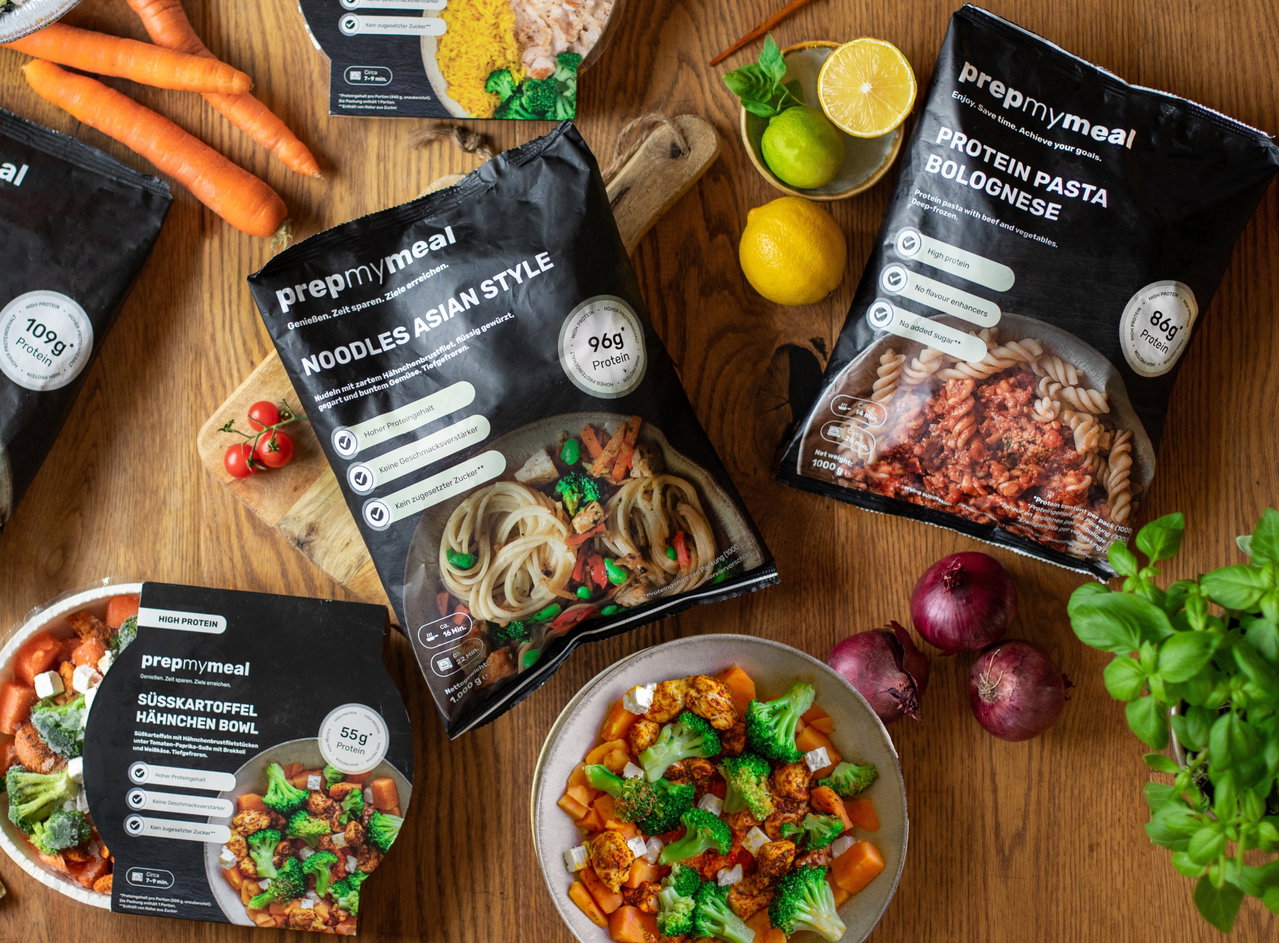
Passende prepmymeal Gerichte entdecken!
ORDER NOW
Detailed cost analysis: Save time and money with meal prepping
Meal Prepping lohnt sich finanziell richtig. Rechnen wir mal durch:
A home-cooked meal costs you on average
2,50 €
In the cafeteria, you pay about
7,50 €
, even with the delivery service
12,00 €
If you prepare 5 meals per week, you'll save over
€100 compared to cafeteria or delivery
The 2-3 hours you need to spend on pre-cooking each week really pay off. Over the course of a year, you'll save around €1,200 and gain around 100 hours.
extra free time. It's like getting two and a half weeks of work back.
Meal Prep für spezielle Diäten: Keto, glutenfrei und Sporternährung
Meal prepping also works great if you follow certain diets:
1
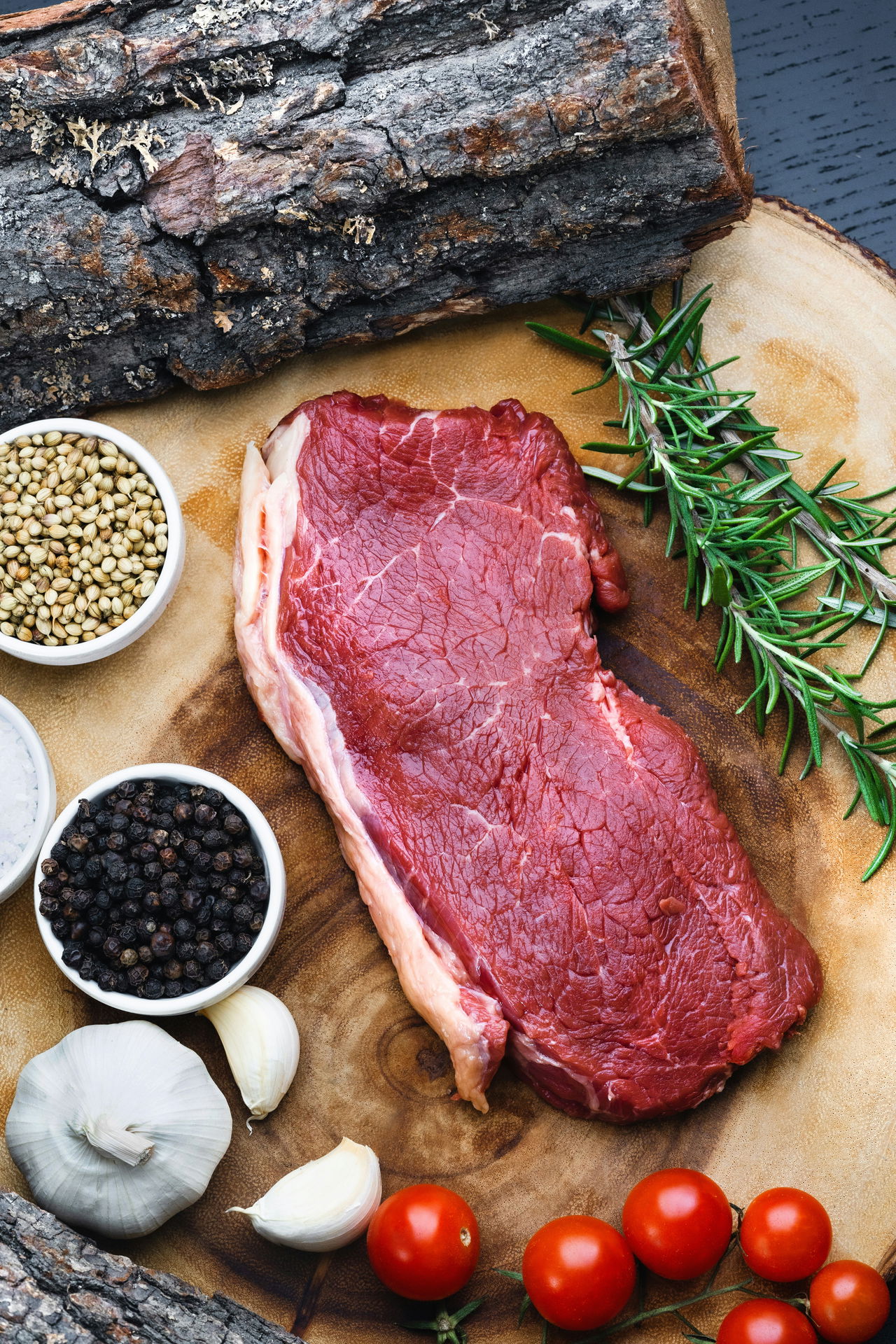
Ketogene Ernährung:
Setz auf Mahlzeiten mit viel Protein und ungesättigten Fetten: Avocados, Nüsse, fettreiches Fleisch.
2
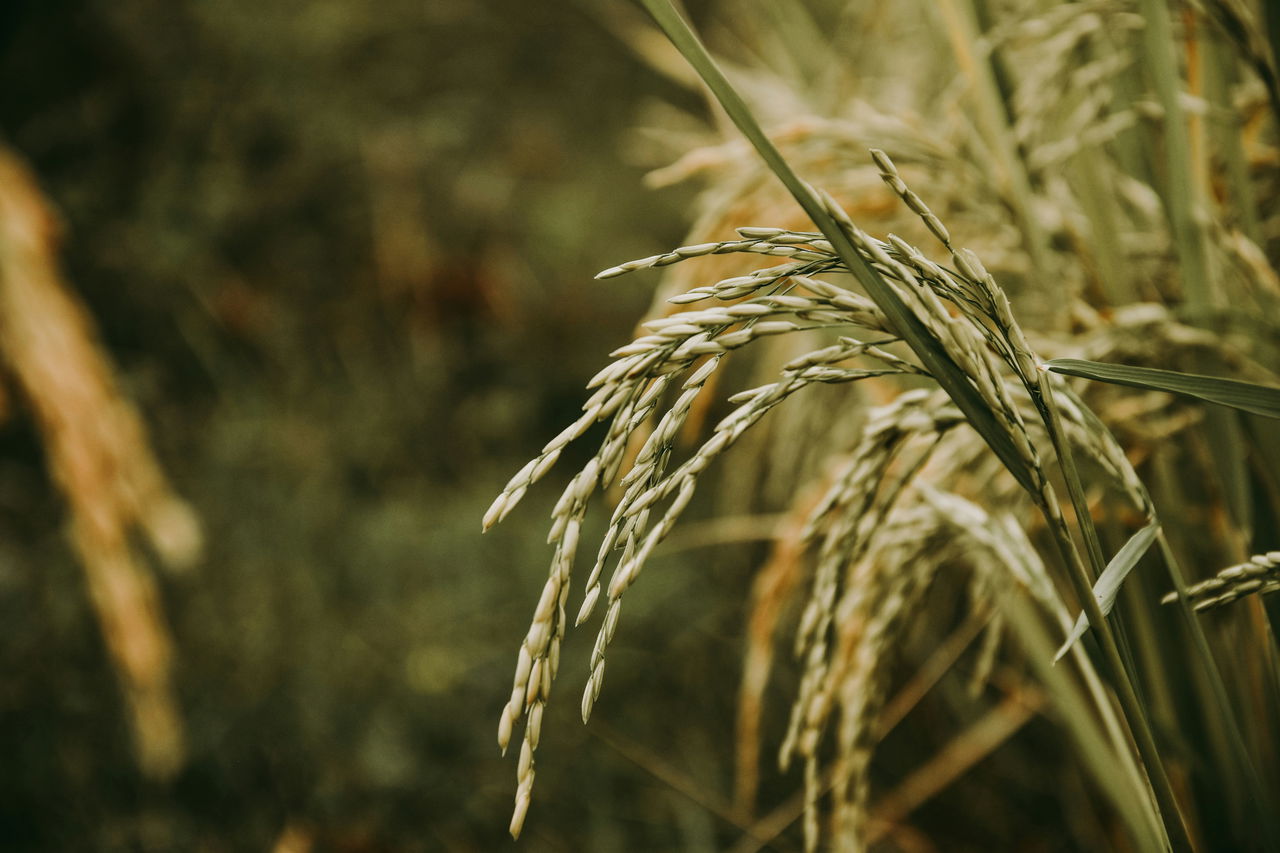
Gluten-free:
Go for gluten-free alternatives such as quinoa, rice, or gluten-free bread. Fortunately, there is now a wide range to choose from.
3
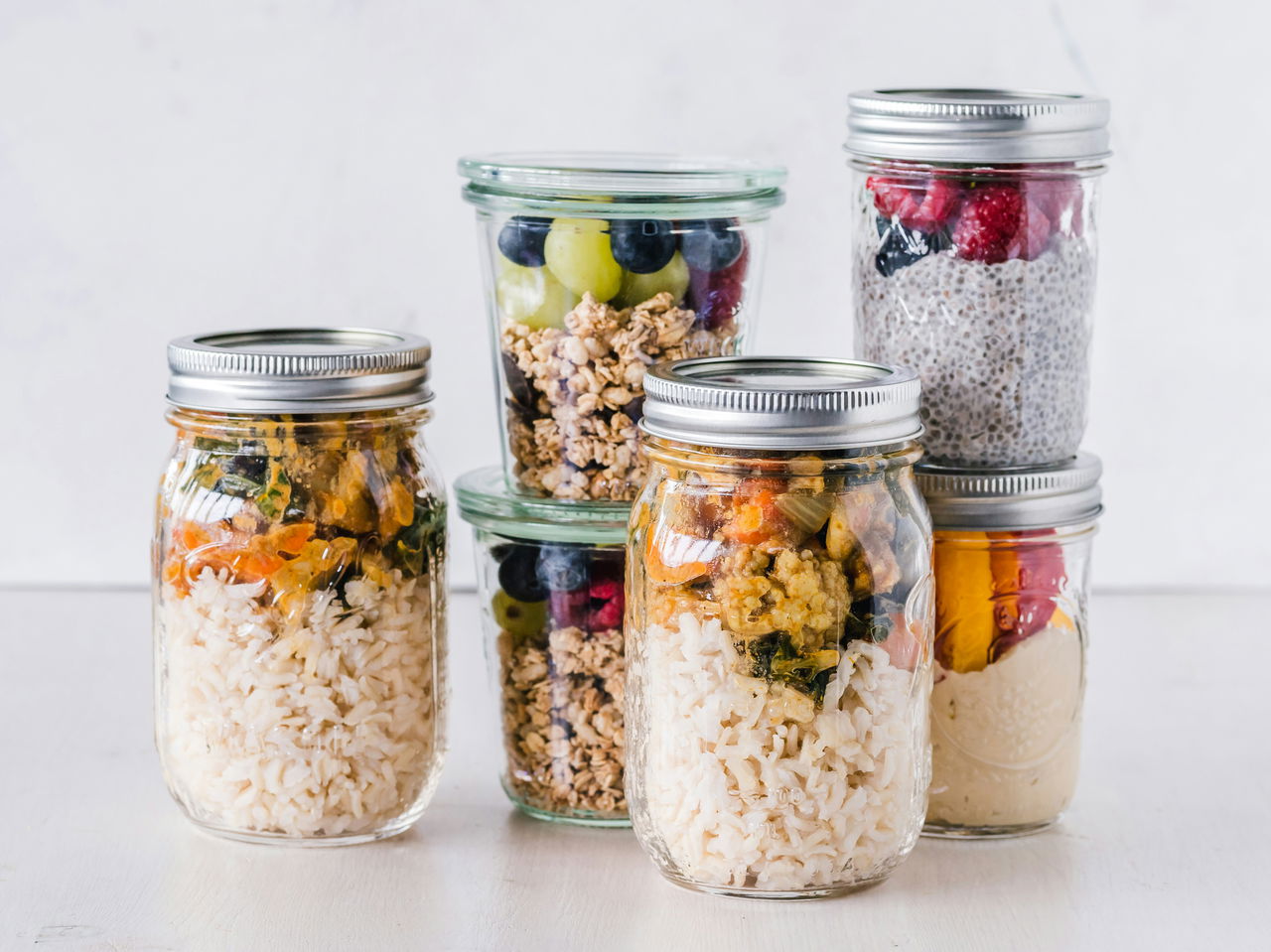
Sports nutrition:
Plan deine Mahlzeiten mit einem Verhältnis von z.B. 40% Kohlenhydrate, 40% Eiweiß und 20% Fett, angepasst an dein Training.
Niche tips for meal prepping with the Instant Pot & slow cooker
If you have an Instant Pot or slow cooker, meal prepping becomes even more efficient:
Instant Pot:
The "cook-and-hold" function is worth its weight in gold. You can cook several components at the same time, such as rice and chicken, and save a lot of time.
Slow cooker:
Perfekt für Eintöpfe und Currys. Du wirfst morgens alles rein, lässt es den Tag über garen und abends wartet ein fertiges, aromatisches Gericht auf dich.
Ideal zum Portionieren!
Meal prep shelf life: How long do your meals last?
To keep your meals fresh, here is a handy overview:
Wichtig: Kühl die Mahlzeiten schnell ab und lagere sie bei konstanter Temperatur, so vermeidest du, dass sich Bakterien bilden.
Meal prep for children and families
Für Familien ist Meal Prepping ein echter Game-Changer! Du kochst einmal vor und hast die ganze Woche über passende Mahlzeiten für alle parat. Achte dabei auf altersgerechte Portionen und mögliche Allergien oder Unverträglichkeiten. Bei wählerischen Essern sind flexible Gerichte praktisch: Koch zum Beispiel Reis vor und biete verschiedene Soßen an oder brate Hähnchen und kombiniere es mit unterschiedlichen Gemüsebeilagen. So findet jeder was, das schmeckt.
Conclusion: Meal prepping for your everyday life
Meal Prepping ist keine Raketenwissenschaft – es ist einfach eine clevere Art, Zeit, Geld und Nerven zu sparen. Mit ein bisschen Planung, den richtigen Behältern und ein paar guten Rezepten hast du immer leckere Mahlzeiten griffbereit. Probier die Tipps aus diesem Artikel aus, und du wirst schnell merken, wie viel entspannter dein Alltag wird. Keine Hektik mehr am Abend, kein schlechtes Gewissen beim dritten Lieferdienst diese Woche, einfach gutes Essen, das zu deinem Leben passt.
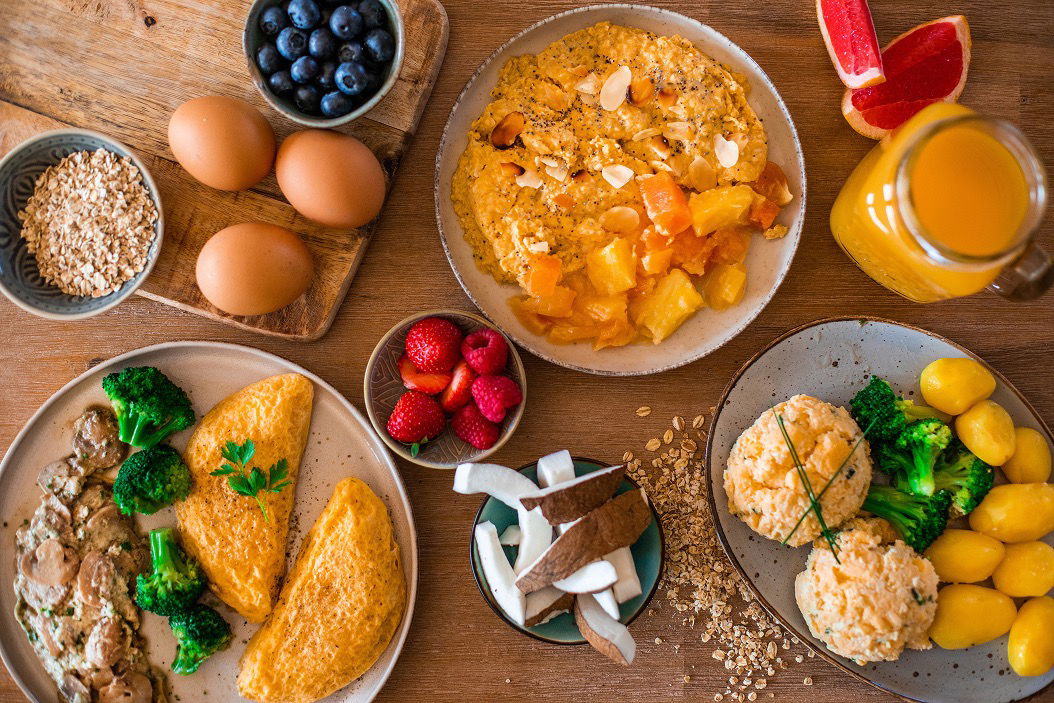
Jetzt passende Gerichte von prepmymeal entdecken!
ORDER NOW
QUESTIONS AND
ANSWERS.
Most people cook once a week and are then set for the next few days. But you can also cook every 3 or 5 days—whatever suits you best.
Sure! Meal prepping is especially practical if you live alone. You cook once and have several days of peace. Just portion according to your needs.
Most meal prep dishes will keep in the freezer for 1 to 3 months, depending on the ingredients. Wrap them well so they don't dry out or get freezer burn.
Batch cooking is a form of meal prepping: you cook large quantities of basic ingredients (rice, vegetables, protein) and then combine them in different ways throughout the week. With classic meal prepping, you prepare complete meals.
That depends on you. Many people plan three main meals (breakfast, lunch, dinner) and one or two snacks. Others only prepare lunch and cook fresh food in the evening. Do whatever suits you best.
Absolutely. Meal prepping is especially useful for families. You can adjust the portions to suit each family member—larger portions for teenagers, smaller ones for children.
You definitely need airtight containers to keep meals fresh. Glass containers are recommended—they don't release chemicals and heat evenly in the microwave.
Dishes that are easy to reheat work best: stews, curries, casseroles, roasted or baked vegetables. Rice, quinoa, and legumes are also great for preparing in advance. For salads, it's best to pack the dressing separately so that nothing gets soggy.
Follow us on social media


