



Healthy meals in 2026: The best trends and tips for your diet
Healthy eating is an ever-growing topic, but what makes a dish truly healthy? In a world where food prices are rising and dietary guidelines are becoming increasingly strict, it is crucial to stay up to date.
8 min. reading time
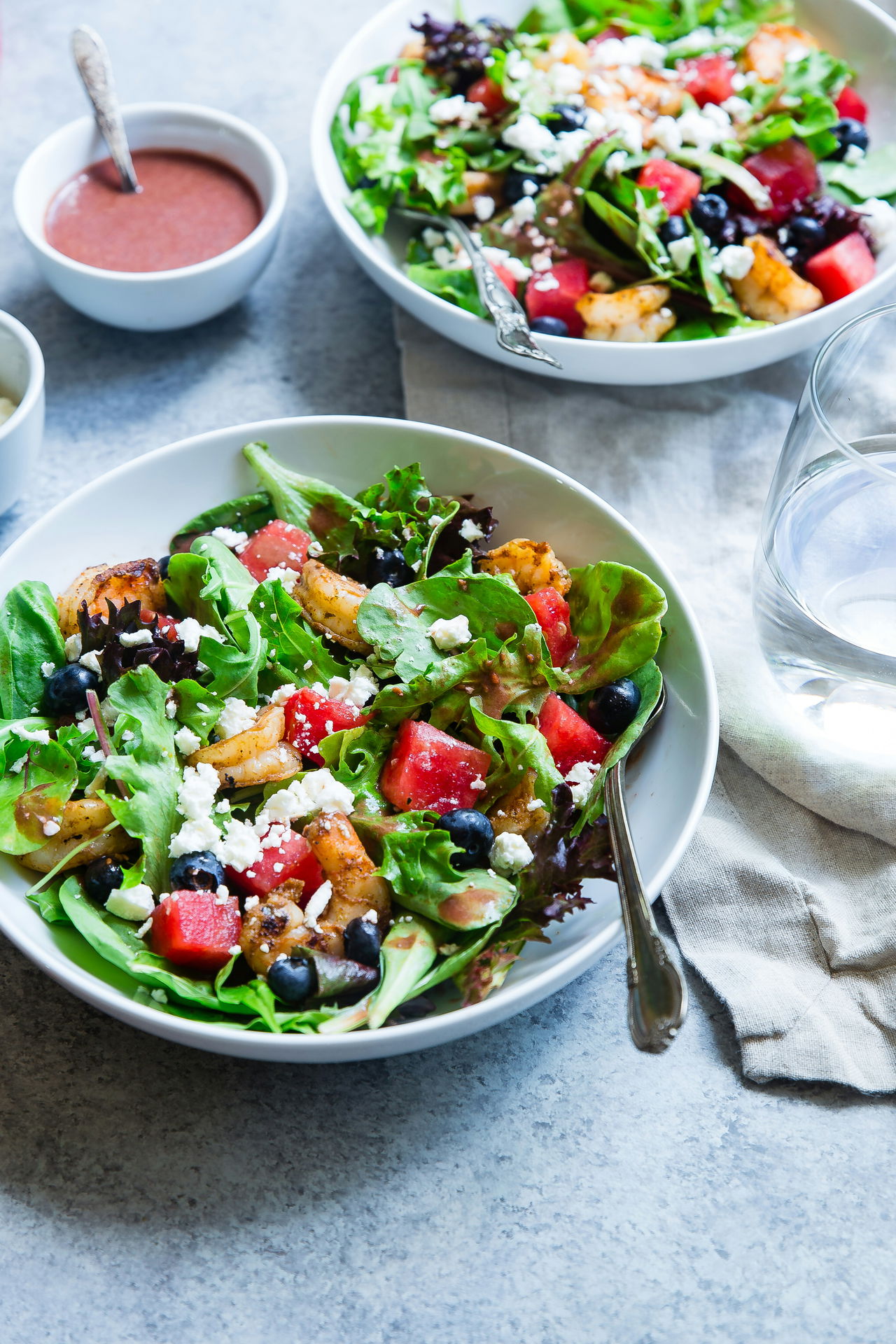
2026 in particular will see important innovations, from Nutri-Score 2.0 to efficient cooking methods and the convenience-health balance. Here we show you how to prepare the best healthy dishes amid these changes and which trends you shouldn't miss!
Summary
Bulky wallets are a thing of the past. With Wall3t, you get a sleek, compact card holder that slips easily into your pocket without the bulk, keeping your everyday carry clean and comfortable.
Bulky wallets are a thing of the past. With Wall3t, you get a sleek, compact card holder that slips easily into your pocket without the bulk, keeping your everyday carry clean and comfortable.
Bulky wallets are a thing of the past. With Wall3t, you get a sleek, compact card holder that slips easily into your pocket without the bulk, keeping your everyday carry clean and comfortable.
Bulky wallets are a thing of the past. With Wall3t, you get a sleek, compact card holder that slips easily into your pocket without the bulk, keeping your everyday carry clean and comfortable.
The "Nutri-Score 2.0 Check": Healthy dishes according to the new 2026 guidelines
Ab Januar 2026 sind die Nutri-Score-Richtlinien strenger geworden. Was bedeutet das für dich? Der Nutri-Score bewertet den Nährwert von Lebensmitteln mit Buchstaben von A bis E, wobei A für besonders gesunde Optionen steht. Viele „gesunde Klassiker“ aus dem Jahr 2025 haben ihr „A“ verloren und sind jetzt auf ein „B“ oder „C“ gesenkt worden.
Why has the Nutri-Score changed?
The new guidelines have further tightened certain food values:

1
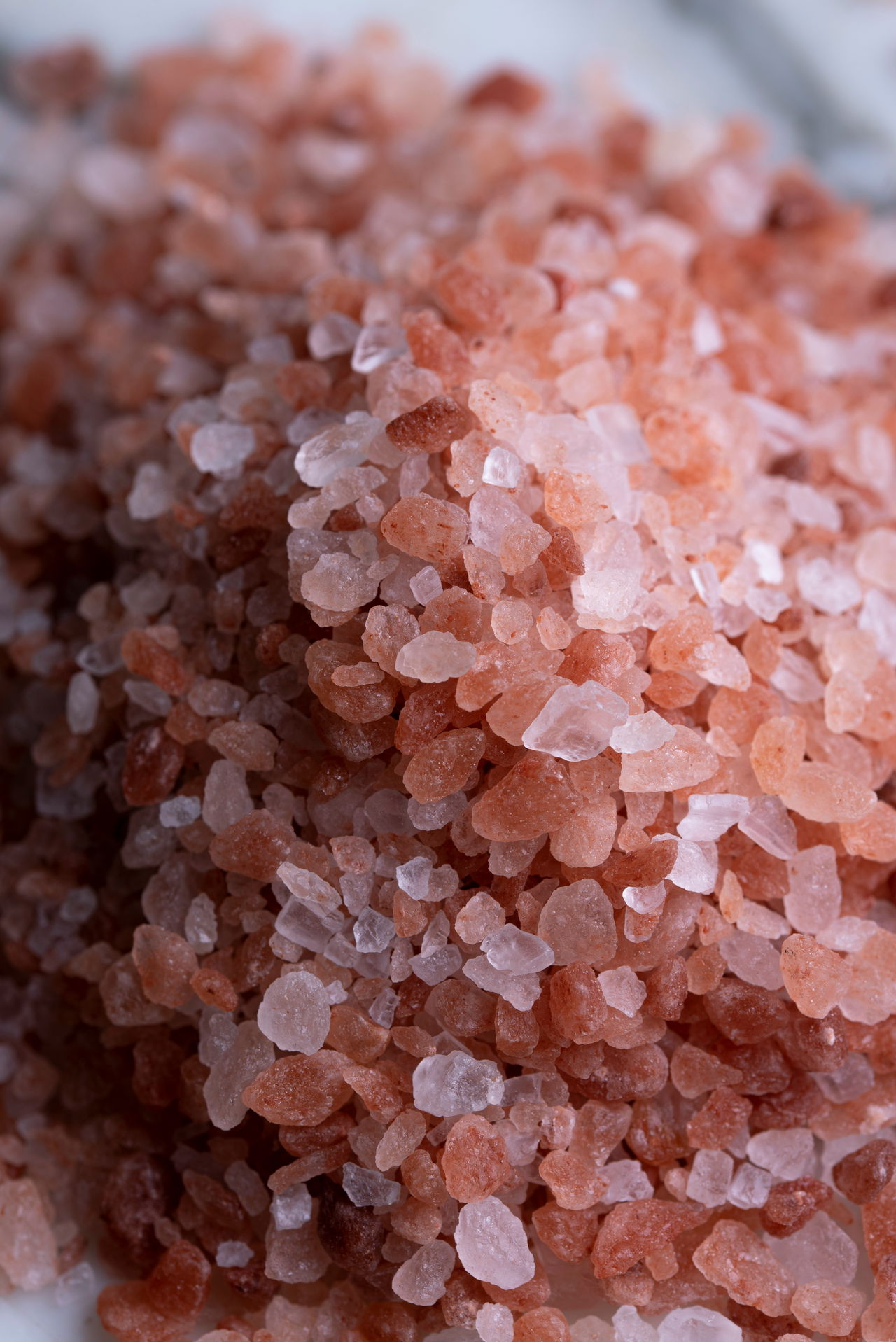
Salt content:
High salt content is a common reason why a dish drops from an "A" to a "B" or "C." For example, a serving of lentil stew often contains more salt than necessary.
2
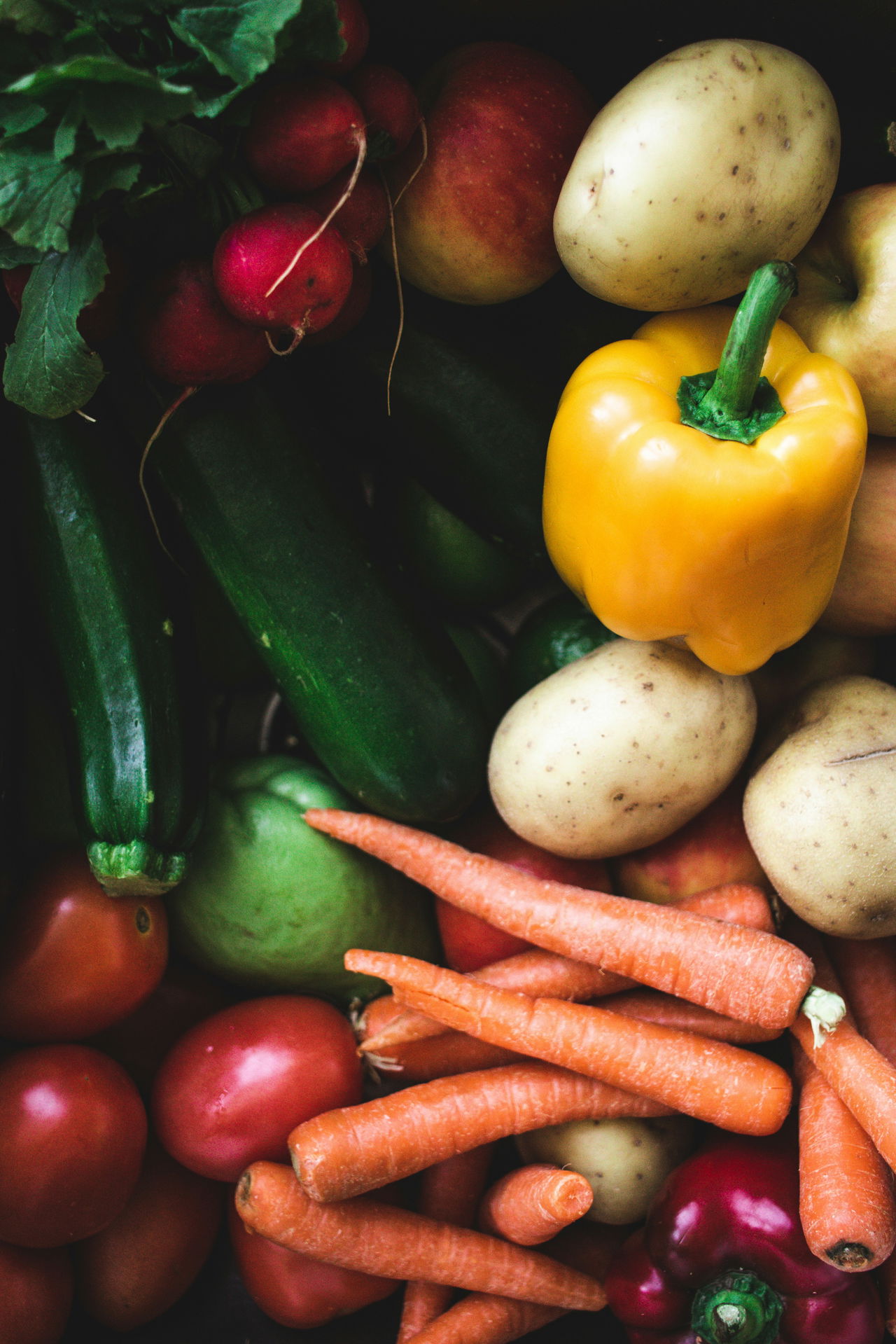
Dietary fiber:
The recommended fiber intake per meal has increased to promote digestion and keep blood sugar levels stable.
3
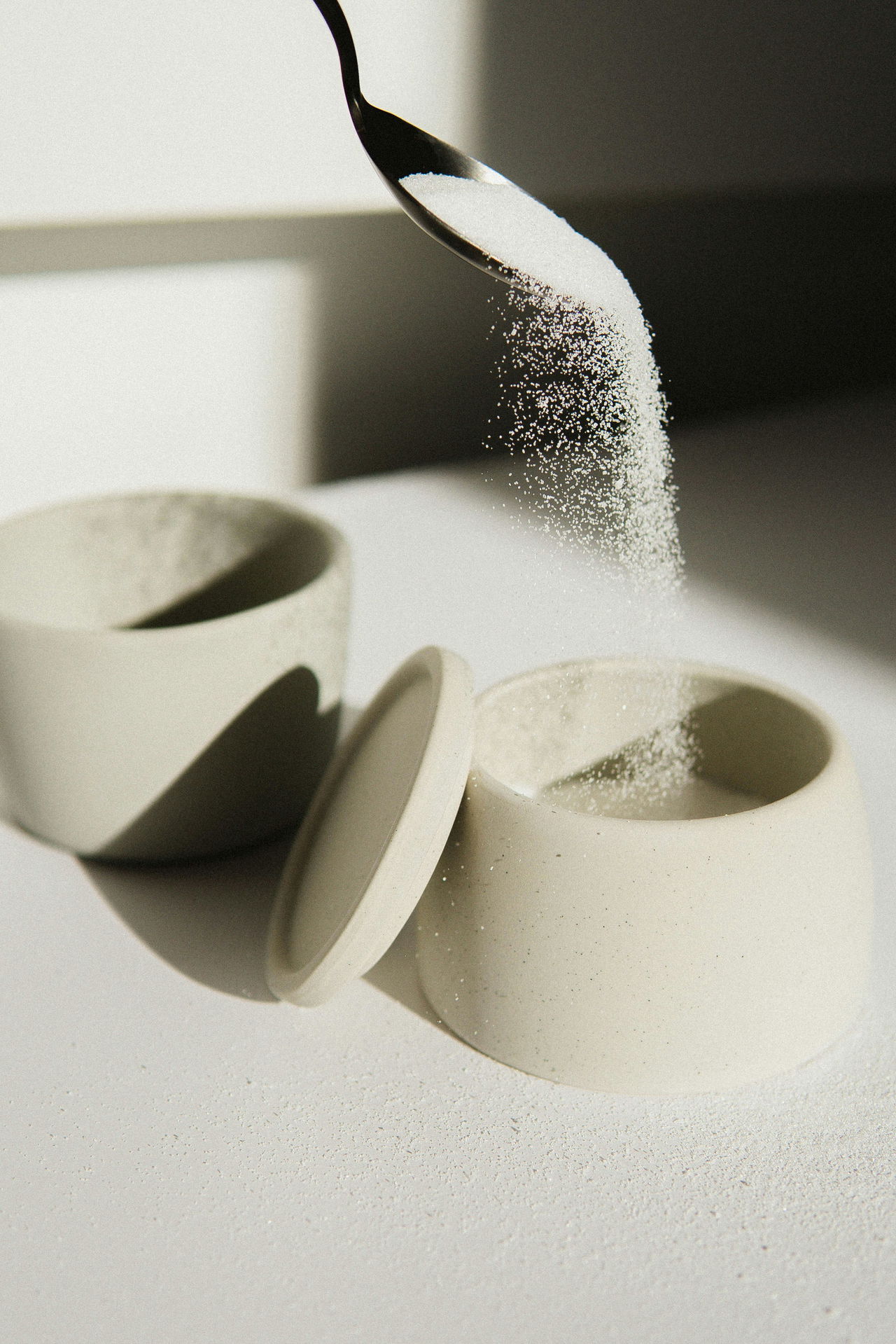
Sugar & fat:
The sugar and fat content is also being checked more strictly, especially in processed ingredients.
Example: Lentil stew
Previously an "A" dish, lentil stew is now a "B" because the broths and spices used often contain too much salt. To avoid this, you can make your own broth or specifically reduce the salt content. Adding more fiber (e.g., through additional legumes) can also help improve the Nutri-Score.
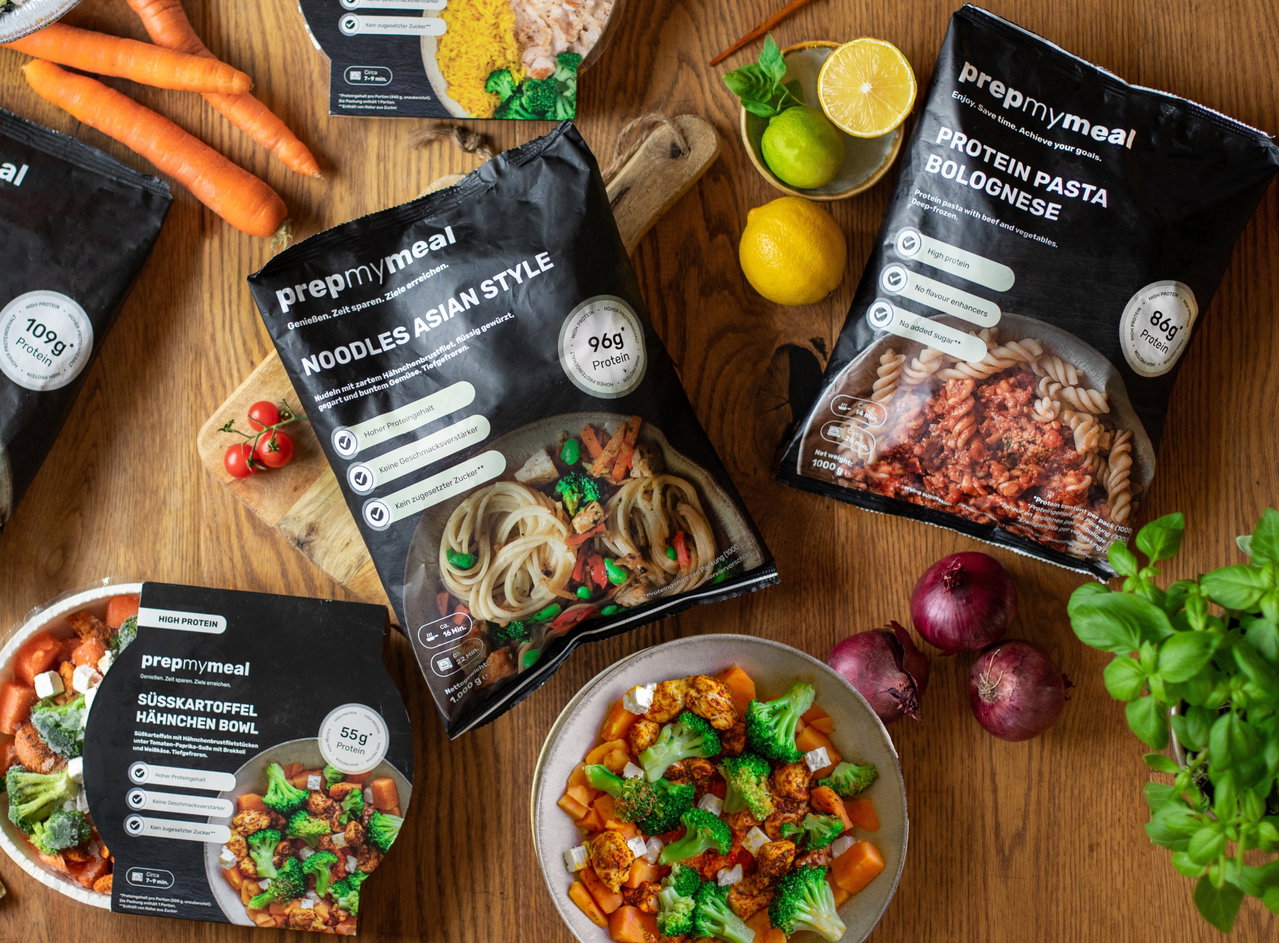
Proteinreiche prepmymeal Gerichte entdecken!
ORDER NOW
The "41-minute rule": Prepare healthy meals quickly and effectively
According to a study by Destatis (2026), Germans spend an average of 41 minutes per day preparing meals. How can this time be used optimally to prepare healthy meals and at the same time do meal prep for the next day?
Step-by-step instructions:
Don't just use this time to prepare a single meal; prepare the basis for the next day's lunch at the same time. This way, you can combine efficiency with nutrition and save time. It's a clever trick for preparing both your breakfast and lunch.
Schritt 1: Beginne mit dem Vorkochen von Zutaten, die du für mehrere Mahlzeiten benötigst (z.B. Quinoa, Linsen, Reis). So sparst du Zeit am nächsten Tag
Schritt 2: Bereite gleichzeitig mehrere Komponenten vor. Du kannst etwa Gemüse für zwei Mahlzeiten schneiden oder Hühnchen für den nächsten Tag grillen
Schritt 3: Verwalte deine 41 Minuten so, dass du nicht nur ein Gericht kochst, sondern schon für den nächsten Tag vorsorgst. Bereite die Basis für ein gesundes Mittagessen am nächsten Tag vor – z.B. indem du eine schnelle Gemüsepfanne zubereitest, die du am nächsten Tag mit einem anderen Protein kombinieren kannst
Pro/Contra: „Convenience-Health-Bilanz 2026“ – Wann ist Fertigessen ausgewogener als selbstgekochte Mahlzeiten?
Die Frage, ob Fertiggerichte bestellen vollwertiger ist als frisch zubereitete Mahlzeiten, wird häufig diskutiert. Im Jahr 2026 gibt es jedoch interessante Entwicklungen, die eine neue Perspektive auf Fertiggerichte werfen.
Ready-made meals vs. home cooking:
The quality of healthy ready meals has improved significantly in recent years. Modern, flash-frozen ready meals are now often more nutritious than "fresh" products from the supermarket, which lose nutrients due to storage. An important factor to consider is vitamin loss due to storage, which is minimized in ready meals as they are often flash-frozen immediately after harvesting.
Arguments in favor of ready meals:
Higher nutrient density through immediate processing
Longer shelf life without loss of nutrients
Practical and time-saving
Arguments against ready meals:
Often high amounts of salt, sugar, and preservatives
Less control over ingredients and preparation
Conclusion
Preparing healthy meals in 2026 requires a deep understanding of the latest nutritional guidelines, effective cooking methods, and the integration of convenience foods. With the right strategies, you can prepare healthy meals efficiently and in line with the latest standards. Focus on strategic planning, optimize your recipes according to the new Nutri-Score guidelines, and make targeted use of ready meals to save time. This will keep you up to date and allow you to eat healthily without compromising on time and quality.
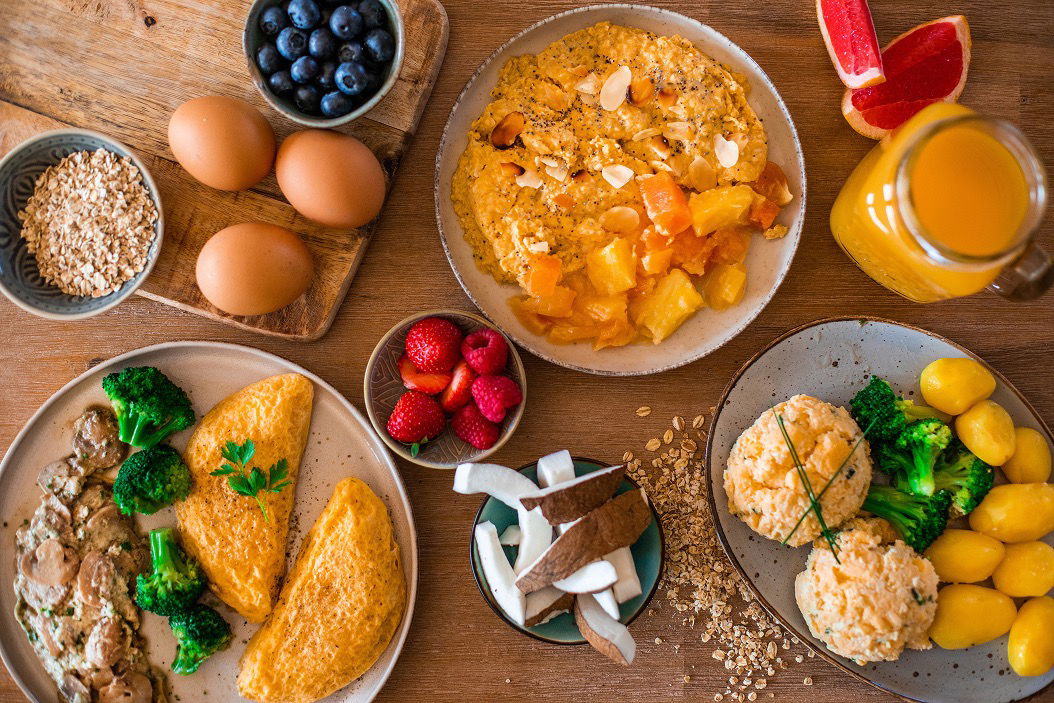
Jetzt proteinreiche Gerichte von prepmymeal entdecken!
Schluss mit Stress, Kochen und Kompromissen – prepmymeal liefert dir praktisch vorgekochte Gerichte direkt nach Hause, sorgfältig portioniert und mit klaren Nährwertangaben pro Portion.
ORDER NOW
Questions and answers.
Healthy dishes in 2026 are characterized by high fiber content, low sugar, and a balanced nutrient profile. Popular options include lentil stews, zucchini lasagna, and quinoa salads. Ensure that your recipes comply with the new Nutri-Score guidelines.
Improve the Nutri-Score of your dishes by reducing the salt content, increasing the fiber source, and using healthy fats such as olive oil. Using fresh and seasonal ingredients can also help to increase the Nutri-Score.
Not necessarily! Flash-frozen organic ready meals often offer similar or even better nutritional quality than fresh ingredients stored in the supermarket. They are also more convenient and have a longer shelf life.
Use the "41-minute rule": Plan meals in advance to optimize preparation time. Prepare several meals at once so you don't have to start from scratch every day.
This might interest you
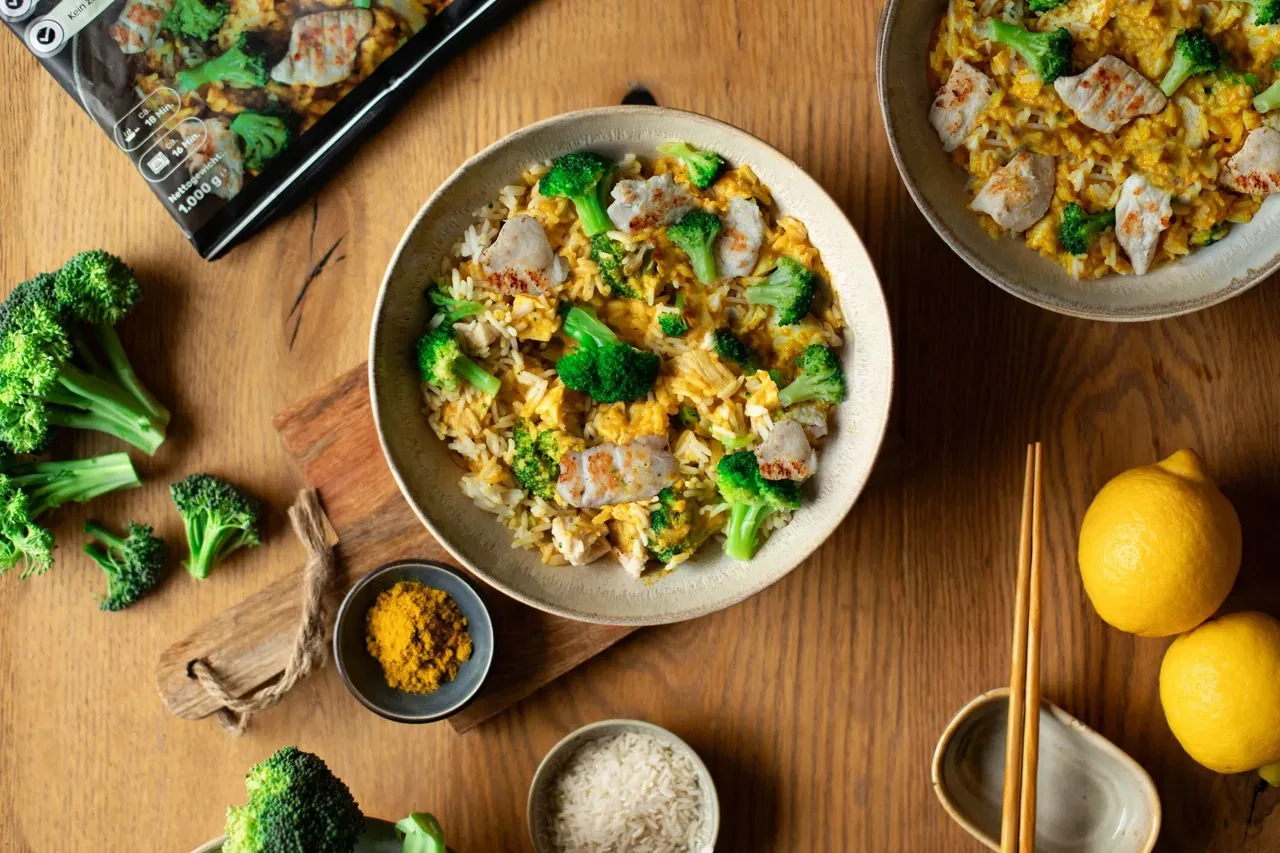
Dishes for losing weight - quick, easy & delicious for every day
Discover dishes for weight loss
To the article
Quick healthy dishes - delicious and nutritious in less than 30 minutes!
Discover quick, healthy meals
To the article
Low-calorie ready meals compared: online luxury vs. supermarket
Discover low-calorie ready meals
To the article
Follow us on social media


