



Calorie counter: How to track calories accurately—without daily stress
Ein Kalorienzähler hilft dir, deinen täglichen Energieverbrauch besser einzuschätzen und deine Ernährung gezielt zu steuern, egal ob du abnehmen, Muskeln aufbauen oder einfach dein Gewicht halten willst. Die Realität sieht für viele aber anders aus: Man startet motiviert, trägt ein paar Tage lang brav die Mahlzeiten ein und hört dann doch wieder auf. App-Daten und Studien zeigen, dass ein Großteil der Nutzer bereits nach 10–14 Tagen das Tracking aufgibt.
Why is that? Rarely because of a lack of motivation. Most of the time, it fails because of the time required, inaccuracies, or simply because there is no system behind it.
9 min. Lesezeit
In this guide, you will learn: How a calorie counter works, how to calculate your daily calorie requirements, the most common tracking mistakes, and how to use a
Meal-Prep-Strategie präzise trackst, in unter 2 Minuten pro Tag
Summary
Bulky wallets are a thing of the past. With Wall3t, you get a sleek, compact card holder that slips easily into your pocket without the bulk, keeping your everyday carry clean and comfortable.
Bulky wallets are a thing of the past. With Wall3t, you get a sleek, compact card holder that slips easily into your pocket without the bulk, keeping your everyday carry clean and comfortable.
Bulky wallets are a thing of the past. With Wall3t, you get a sleek, compact card holder that slips easily into your pocket without the bulk, keeping your everyday carry clean and comfortable.
Bulky wallets are a thing of the past. With Wall3t, you get a sleek, compact card holder that slips easily into your pocket without the bulk, keeping your everyday carry clean and comfortable.
Bulky wallets are a thing of the past. With Wall3t, you get a sleek, compact card holder that slips easily into your pocket without the bulk, keeping your everyday carry clean and comfortable.
Bulky wallets are a thing of the past. With Wall3t, you get a sleek, compact card holder that slips easily into your pocket without the bulk, keeping your everyday carry clean and comfortable.
Bulky wallets are a thing of the past. With Wall3t, you get a sleek, compact card holder that slips easily into your pocket without the bulk, keeping your everyday carry clean and comfortable.
Bulky wallets are a thing of the past. With Wall3t, you get a sleek, compact card holder that slips easily into your pocket without the bulk, keeping your everyday carry clean and comfortable.
Bulky wallets are a thing of the past. With Wall3t, you get a sleek, compact card holder that slips easily into your pocket without the bulk, keeping your everyday carry clean and comfortable.
Bulky wallets are a thing of the past. With Wall3t, you get a sleek, compact card holder that slips easily into your pocket without the bulk, keeping your everyday carry clean and comfortable.
Bulky wallets are a thing of the past. With Wall3t, you get a sleek, compact card holder that slips easily into your pocket without the bulk, keeping your everyday carry clean and comfortable.
Bulky wallets are a thing of the past. With Wall3t, you get a sleek, compact card holder that slips easily into your pocket without the bulk, keeping your everyday carry clean and comfortable.
What is a calorie counter?
Ein Kalorienzähler ist ein digitales Tool oder eine App, mit der du deine tägliche Energieaufnahme festhältst. Dabei werden die Kalorien aus Lebensmitteln zum Abnehmen oder zum Gewichthalten erfasst, zusammen mit den jeweiligen Makronährstoffen:
Carbohydrates
Proteins
Fats
Most modern apps offer this feature:
Barcode scanners for food
large food databases
automatic calorie calculation
Evaluation of macronutrients and, in some cases, micronutrients
Das Prinzip ist simpel: Du vergleichst deine aufgenommenen Kalorien
with your calorie requirements and use this to control your goal.
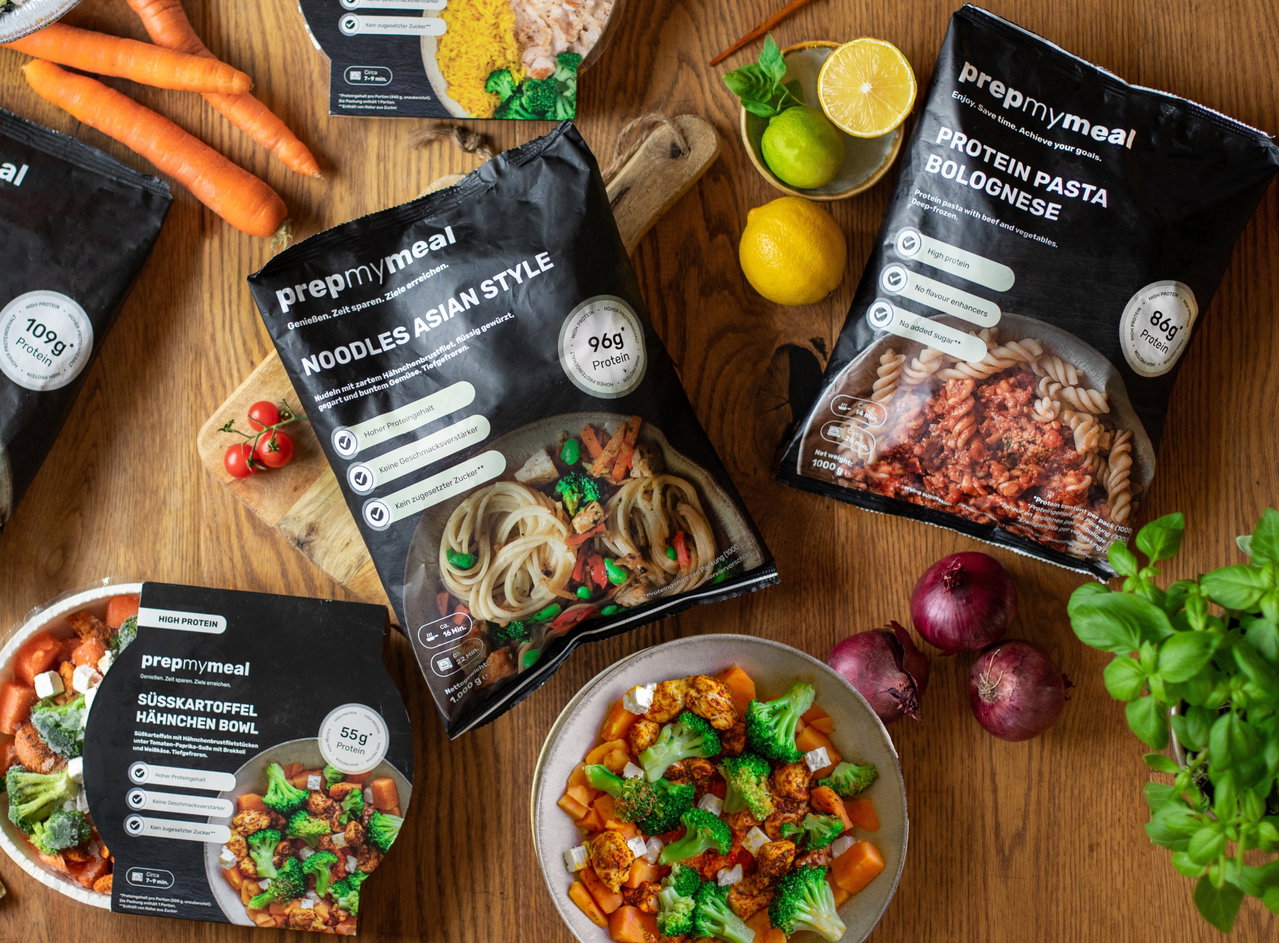
Proteinreiche prepmymeal Gerichte entdecken!
ORDER NOW
How does a calorie counter work?
Calculate calorie requirements
Zuerst ermittelt die App deinen täglichen Energiebedarf. Wer das lieber selbst nachrechnen möchte, kann dafür auch einen Kalorienbedarfsrechner nutzen, die meisten Apps bauen auf denselben Formeln auf. Der Bedarf setzt sich zusammen aus:
Basal metabolic rate (BMR)
Energy for vital bodily functions
turnover of services
Energy for exercise and sports
Together, these two factors determine your total energy needs
Enter food items
Then enter your meals:
Search for food
Specify quantity
Save meal
Many apps make this easier by:
barcode scanner
AI-based photo recognition
Favorites lists
Check daily balance
The calorie counter will then show you:
calories consumed
remaining calories
Macronutrient distribution
This way, you'll always know whether you're in a calorie deficit or surplus.
Calculating calorie requirements: The basis of every calorie counter tool
Your personal calorie requirements depend on several factors:
Age
Gender
body weight
height
activity level
Most apps use a combination of the following for this purpose:
Mifflin-St-Jeor formula
(basal metabolic rate)
MET values
(activity)
Macronutrients in the calorie counter


1
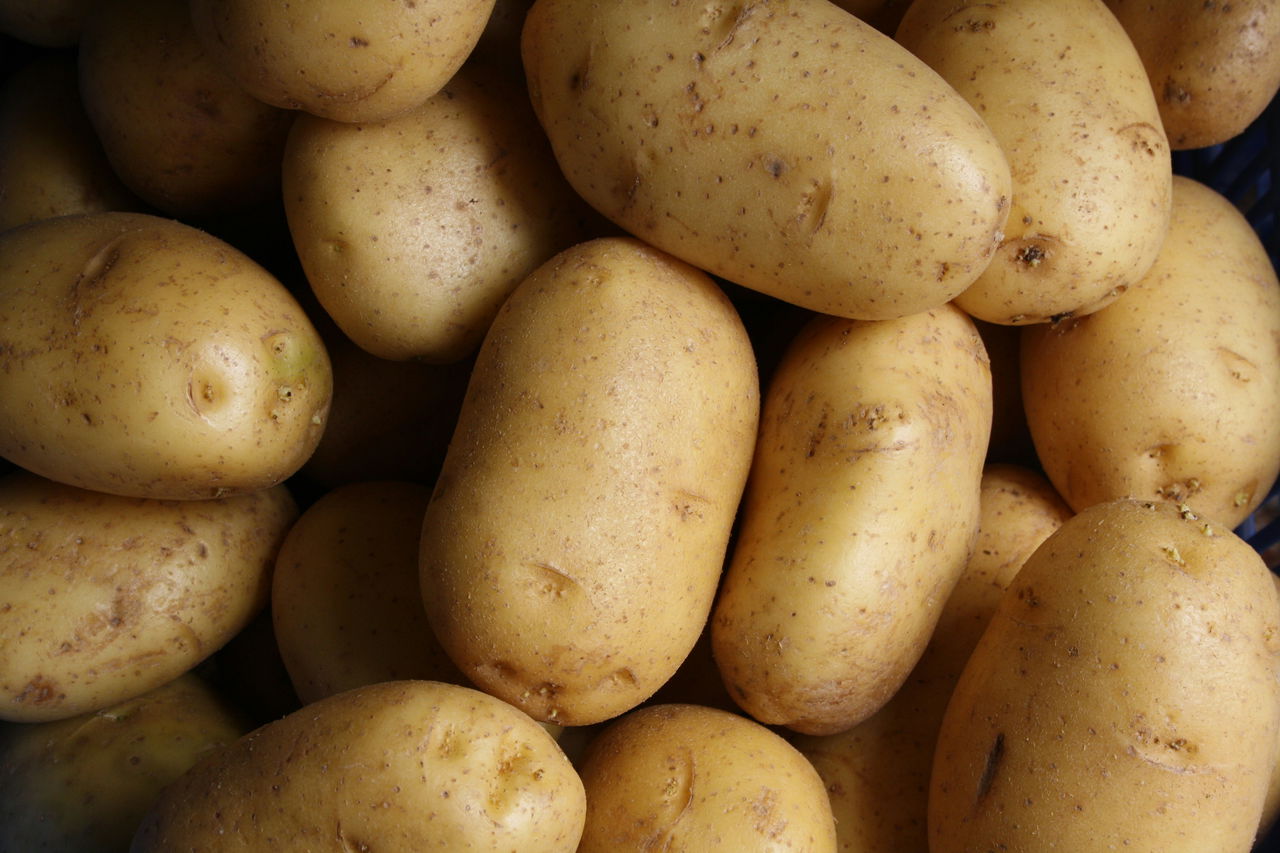
Protein:
Protein is important for: muscle maintenance, muscle building, and satiety. Common recommendation: 1.6–2.2 g of protein per kg of body weight.
2
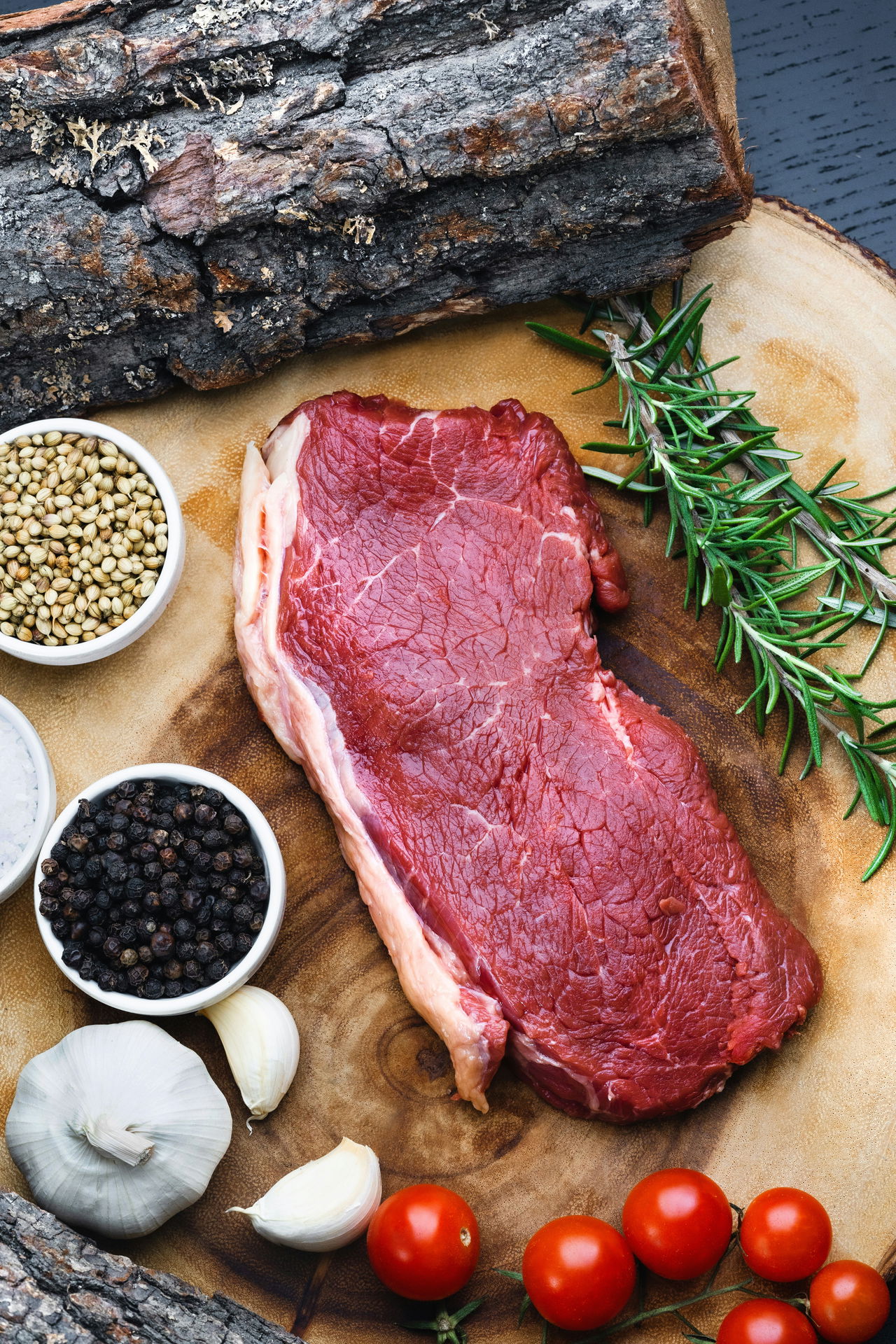
Carbohydrates:
The most important source of energy for: the brain, training, and everyday life
3
Fat:
Essential for: hormones, cell functions, and the absorption of fat-soluble vitamins
Calorie deficit vs. calorie surplus
Hier liegt der Kern des Trackings, je nach Ziel unterschiedlich

Slimming
To lose weight, you need to eat fewer calories than you burn. Anyone wondering how best to lose weight will sooner or later end up right here.
Typical deficit: 300–500 kcal per day

Muscle building
To do this, you need a slight calorie surplus. Typically :
+200–300 kcal per day
Why many people stop tracking after 14 days
Hardly anyone talks about it openly, but it even has its own term:
Tracking fatigue
The typical course:
Week: high motivation, everything is meticulously recorded
Week: Tracking feels tedious
Week: The app remains closed
The most common reasons:
daily weighing of food
complex meals
restaurant visits
simple time expenditure
Calorie tracking only works in the long run if it’s really simple. Otherwise, no one can stick with it.
Accurately estimating calories in restaurants: The calorie audit
Eating out is no problem if you have a simple checklist in mind.
The 5 most common tracking errors
Underestimating oil when frying
Do not include sauces
Underestimating portion sizes
Ignore salad dressings
Forgot butter or oil when serving
Quick rule of thumb:
When a dish has been fried, simply add:
+10–15 g oil (90–135 kcal)
For creamy sauces:
+100–200 kcal
This makes a noticeable difference in accuracy.
The biggest tracking gap: inaccurate data
Many calorie counters provide inaccurate data for:
restaurant meals
ready meals
complex recipes
The biggest problem is hidden fat. People who sometimes eat ready-made meals to lose weight
Anyone ordering meals to lose weight should keep that in mind.

The meal prep precision formula: tracking instead of daily weighing
The most effective way to track your meals accurately is meal prep, whether you want to lose weight quickly or simply stick to a structured meal plan for weight loss over the long term. Instead of tracking each meal individually, you plan ahead.
This reduces:
tracking time
Calorie mistakes
Stress in everyday life
Step-by-step method
Define master ingredient: Example : 500 g uncooked rice Total calories: ≈ 1800 kcal
Plan your portions: Divide the rice into 5 portions and track each portion
Meal prep: Calories per serving stay the same. No weighing, no searching.
Result: You track just one meal instead of 10 ingredients—reducing tracking errors by up to 25%
Accurate tracking in under 2 minutes per day
Meal prep combined with a calorie counter—that’s the most efficient solution, and it works just as well for a weight-loss breakfast as it does for main meals or weight-loss snacks in between.
Here's how it works:
Prepare meals once
Calculate calories once
Save meal as favorite
Just add it every day
Time required:
less than 2 minutes daily
Macros aren't everything: the role of food quality
Many calorie counters only look at:
Calories
Protein
Fat
Carbohydrates
Quality can make a big difference here. Even those who plan to lose weight without exercising can benefit—because a nutrient-rich diet has a greater impact on hunger, energy levels, and blood sugar than is often realized.
The second meal usually provides:
longer satiety
more stable blood sugar
less cravings
The reason lies in:
fiber
Micronutrients
the degree of processing
Conclusion: Calorie counters work—if you use them correctly.
A calorie counter is one of the most effective tools for:
Weight loss
Muscle building
greater awareness of one's own diet
However, long-term success depends less on the app itself and more on the
The strategy behind it, combined with exercise for weight loss, can further speed up the process if it fits into your daily routine.
The most important points summarized:
Know your calorie requirements
take hidden calories into account
Use meal prep
Keep tracking as simple as possible
This way, calorie tracking is no longer a daily chore, but a quick routine.

Jetzt proteinreiche Gerichte von prepmymeal entdecken!
Schluss mit Stress, Kochen und Kompromissen – prepmymeal liefert dir praktisch vorgekochte Gerichte direkt nach Hause, sorgfältig portioniert und mit klaren Nährwertangaben pro Portion.
ORDER NOW
Questions and answers.
The accuracy is high for simple foods. However, for restaurant dishes or complex recipes, there may be variations of 10–30%.
No. Many people only use a calorie counter for a few weeks to get a feel for portion sizes—that's often enough.
The following foods are particularly high in calories and often underestimated: oils, nuts, sauces, and cheese. This is where most people go wrong.
Yes. Many apps also display carbohydrates as well as carbohydrate units, which are particularly relevant for people with diabetes.
Not necessarily. Many people switch to intuitive eating after a while, once they’ve developed a good sense of portion sizes.
This might interest you

Fertiggerichte zum Abnehmen – effektiv und ausgewogen
Discover ready-to-eat meals for weight loss
To the article
Essen zum Abnehmen bestellen: Der Leitfaden für 2026
Discover meal delivery for weight loss
To the article
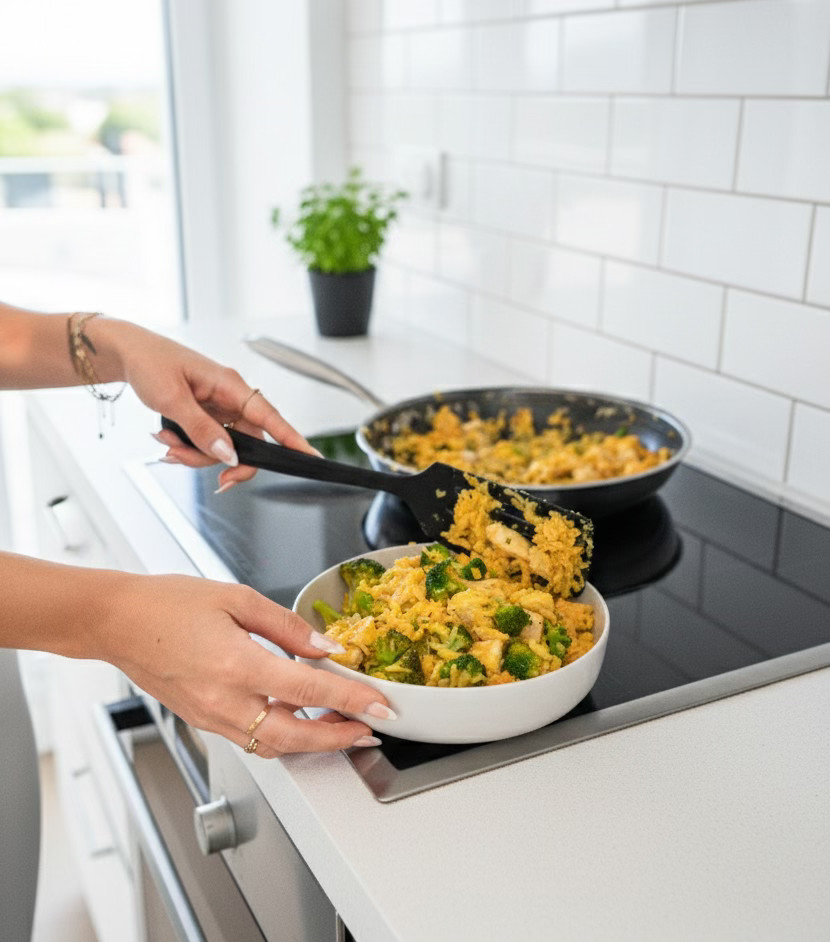
Diet ready meals: What they are really worth and how to use them correctly
Diät Fertiggerichte entdecken
To the article
Lebensmittel zum Abnehmen: Der Sättigungs-Index
Discover foods that help you lose weight
To the article

Frühstück zum Abnehmen: Mit der 2-Stunden-Regel & Sättigungs-Index
Discover breakfasts that help you lose weight
To the article
Essensplan zum Abnehmen: Warum starre Pläne scheitern und wie du es besser machst
Essensplan entdecken
To the article
Snacks for Weight Loss: Say Goodbye to Cravings with the 24-Hour Snack System
Discover snacks to help you lose weight
To the article

Exercise for Weight Loss: Why Working Out Alone Often Fails—and How to Make It Work Anyway
Discover Exercise for Weight Loss
To the article
Calorie Calculator 2026: Calculate Precisely & Apply Directly to Meal Prep
Discover the Calorie Calculator
To the article
Lebensmittel mit viel Protein und wenig Kalorien
Lebensmittel mit viel Protein und wenig Kalorien entdecken
To the article

Losing Weight Without Exercise: Is It Really Possible? (The 70% Guide for Lazy People & Busy Professionals)
Discover how to lose weight without exercise
To the article

Lose Weight Fast: The 7 Most Effective Strategies for Healthy Fat Loss
schnelles Abnehmen entdecken
To the article

Eating to Lose Weight: Why Planning Matters More Than Discipline
Essen für Abnehmen entdecken
To the article
What's the best way to lose weight? Why the "Meal Prep Matrix" will replace traditional diets by 2026
Abnehmen wie am besten entdecken
To the article
Follow us on social media


