



Lebensmittel mit viel Protein und wenig Kalorien: Der Guide 2026
Du willst Muskulatur aufrechterhalten und dabei den Überblick über
deine Kalorien behalten? Dann lohnt sich ein genauerer Blick auf das Verhältnis von Protein zu Kalorien in deinen Mahlzeiten
6 min. reading time

Dieser Guide bleibt nicht bei Standard Tabellen. Wir zeigen dir, welche Lebensmittel deinen Körper wirklich effizient versorgen und haben dafür den Protein-Effizienz-Score entwickelt.
Summary
Bulky wallets are a thing of the past. With Wall3t, you get a sleek, compact card holder that slips easily into your pocket without the bulk, keeping your everyday carry clean and comfortable.
Bulky wallets are a thing of the past. With Wall3t, you get a sleek, compact card holder that slips easily into your pocket without the bulk, keeping your everyday carry clean and comfortable.
Bulky wallets are a thing of the past. With Wall3t, you get a sleek, compact card holder that slips easily into your pocket without the bulk, keeping your everyday carry clean and comfortable.
Bulky wallets are a thing of the past. With Wall3t, you get a sleek, compact card holder that slips easily into your pocket without the bulk, keeping your everyday carry clean and comfortable.
Why Not All Proteins Are Created Equal: The Efficiency Check
Die meisten Listen vergleichen nur Gramm Protein pro 100g. Das greift zu kurz. Denn 100g Erdnüsse liefern zwar 25g Protein, aber auch fast 600 Kalorien. Wer keinen Kalorienzähler im Kopf hat, tappt da schnell in die Falle.
For our efficiency check, two things matter:
Calorie-to-protein ratio: How many calories does 1 gram of protein contain?
Bioavailability: How much of it can your muscles actually utilize?
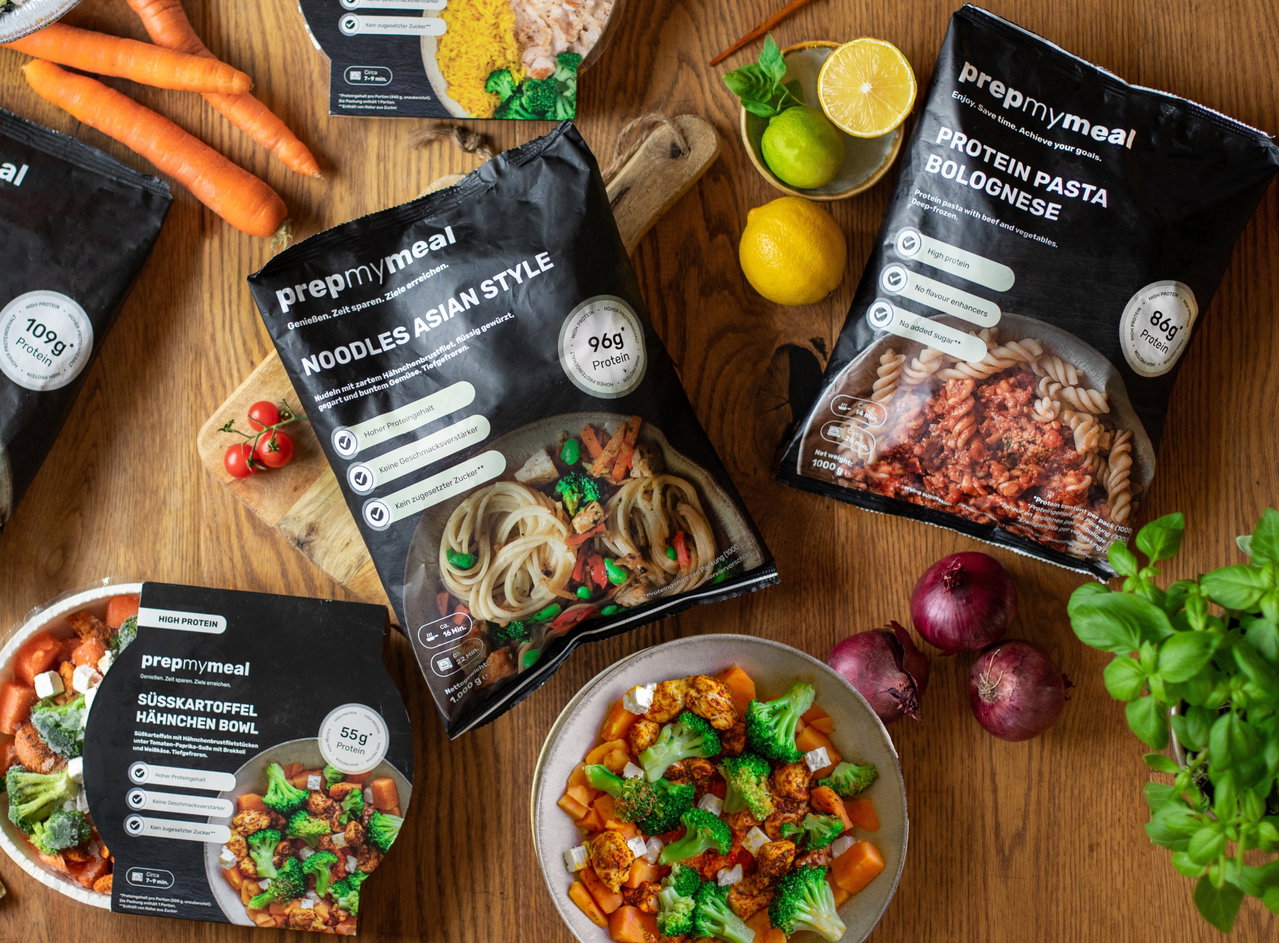
Proteinreiche prepmymeal Gerichte entdecken!
ORDER NOW
Der Protein-Effizienz-Score (PES)
We have developed an index that rates foods on a scale from 1 to 100. A higher score indicates a good protein-to-calorie ratio, taking biological value into account.
Animal Protein Sources: A Fresh Look at the Classics
Tierische Lebensmittel punkten mit vollständigen Aminosäureprofilen — das ist der
Grund, warum sie in vielen Ernährungsplänen auftauchen
Meat & Fish
Putenbrust und Hähnchenfilet: liefern viel Protein bei wenig Fett — beides lässt sich gut mit dem Kalorienrechner planen
Wildfleisch (Reh/Hirsch): Unterschätzt. Da Wildtiere sich viel bewegen, ist ihr Fleisch magerer als Rind und dabei dichter an Mikronährstoffen
Kabeljau & Seelachs: Mit rund 80 kcal pro 100g kaum zu schlagen, wenn es ums Volumen-zu-Kalorien-Verhältnis geht
Dairy Products & Eggs
Cottage cheese: Great as a snack, and also works well in savory dishes—just season it with herbs.
Egg White Hack: Using bottled egg white concentrate makes omelets bigger without the fat from the egg yolk. The protein remains intact.
The Power of Plant-Based Protein: Efficiency for Vegans
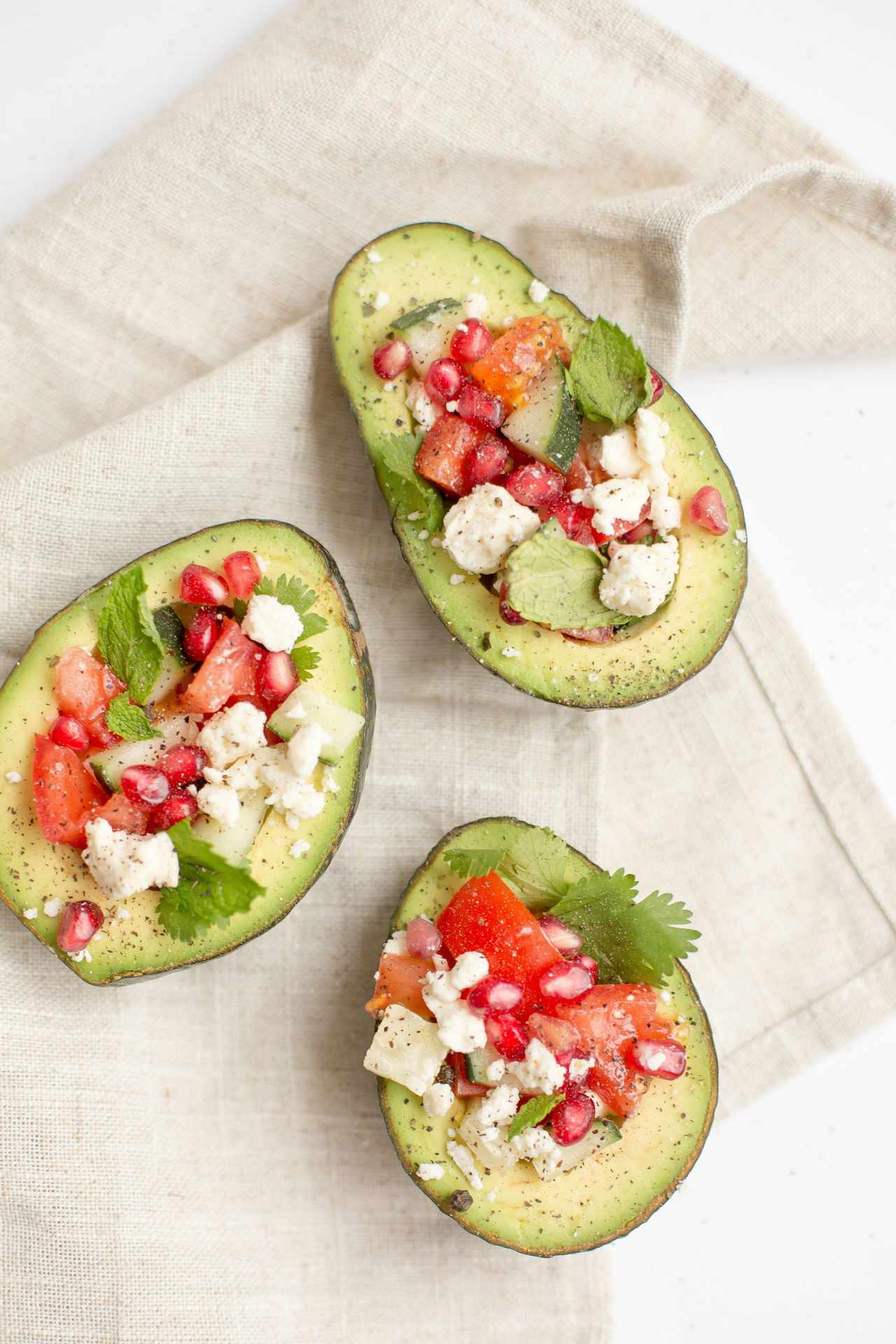
Plant-based foods often contain carbohydrates or fats. If you’re watching your calorie intake, you’ll need to pay closer attention when shopping.
Seitan: Fast reines Protein, wenige Kalorien. Allein ist seine biologische Wertigkeit aber niedrig – kombiniere ihn mit Hülsenfrüchten (z. B. in einem Chili), um das Aminosäureprofil zu vervollständigen
Tofu & Tempeh: Soja ist die einzige Pflanze mit vollständigem Profil. Greif zur Natur-Variante, denn geräucherte oder marinierte Sorten haben oft mehr Fett als auf den ersten Blick erkennbar
Edamame: enthalten Protein und Ballaststoffe und lassen sich gut als Snack portionieren
Tips for Perfect Meal Prep – Office Edition
When time is short, it's easy to reach for the wrong thing. This way, you can still get a solid dose of protein:
Pseudogetreide vorkochen: Quinoa und Linsen halten sich vier Tage im Kühlschrank und sind die perfekte Salat-Basis. Wer morgens häufig unter Zeitdruck steht, kann sie auch als Frühstücksbasis nutzen — einfach abends vorbereiten.
The 30-gram rule: Spread your protein intake throughout the day. Portions exceeding 30–40 grams per meal offer little additional benefit for muscle building. Four to five portions of 25–30 grams each are more effective.
Flüssiges Gold: Wenn es schnell gehen muss, schlägt ein Isolat-Shake (Whey oder Erbse) Fast Food in jeder Hinsicht. Wer seinen Bedarf kennt, etwa über einen Kalorienbedarfsrechner, kann hier gezielt dosieren.
Wer regelmäßig trainiert, hat in der Regel einen höheren Proteinbedarf als körperlich inaktive Menschen!
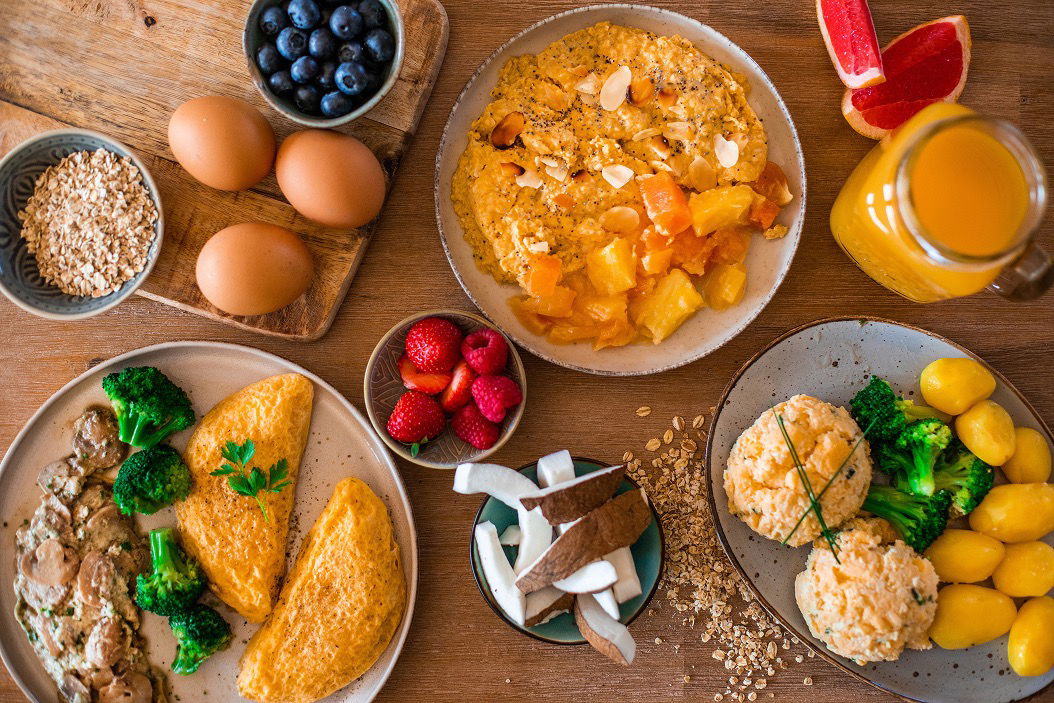
Jetzt proteinreiche Gerichte von prepmymeal entdecken!
Schluss mit Stress, Kochen und Kompromissen – prepmymeal liefert dir praktisch vorgekochte Gerichte direkt nach Hause, sorgfältig portioniert und mit klaren Nährwertangaben pro Portion.
ORDER NOW
Questions and answers.
The top choice is liquid egg whites, followed by Harzer cheese and cod. In all three, over 80% of the calories come directly from protein.
For healthy people, amounts up to 2.5 grams per kilogram of body weight are considered safe. It is important to drink enough water so that the kidneys are not overworked.
Die DGE empfiehlt für Erwachsene 0,8 g pro kg Körpergewicht als Orientierungswert.
Follow us on social media


