



Essen zum Abnehmen bestellen: Der Leitfaden für 2026
„Essen zum Abnehmen bestellen" klingt erstmal nach der einfachsten Sache der Welt: kein Einkaufen, kein Kochen, kein Kalorienrechnen. Aber 2026 reicht Bequemlichkeit allein nicht mehr aus!
8 min. reading time
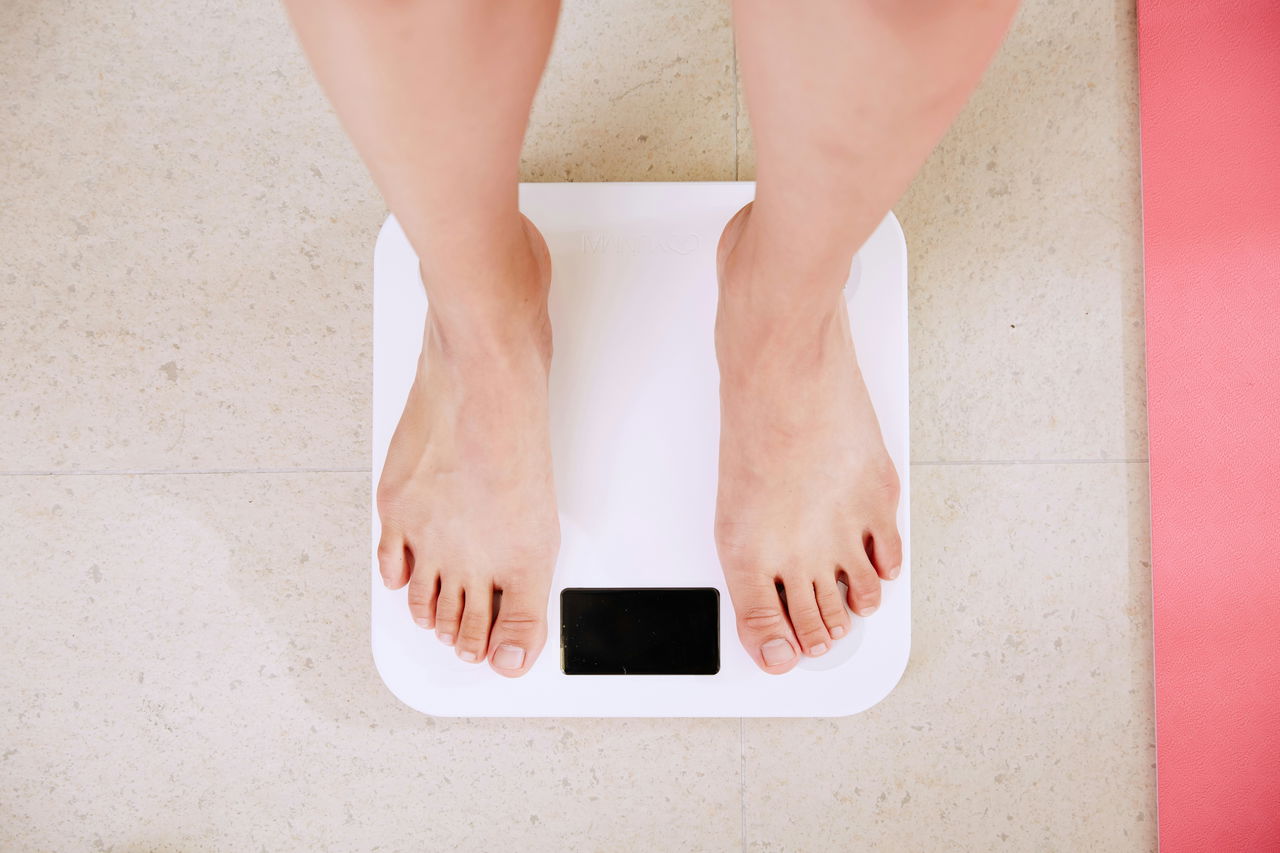
Wer wirklich Fett verlieren will, braucht mehr als nur Lebensmittel zum Abnehmen: strategische Kaloriensteuerung, ausreichend Protein, ballaststoffreiche Komponenten, Anpassung bei Plateaus und eine realistische Kosten- & CO₂-Betrachtung. Was folgt, ist kein weiterer Überblicksartikel, sondern ein datenbasierter Entscheidungs-Guide.
Summary
Bulky wallets are a thing of the past. With Wall3t, you get a sleek, compact card holder that slips easily into your pocket without the bulk, keeping your everyday carry clean and comfortable.
Bulky wallets are a thing of the past. With Wall3t, you get a sleek, compact card holder that slips easily into your pocket without the bulk, keeping your everyday carry clean and comfortable.
Bulky wallets are a thing of the past. With Wall3t, you get a sleek, compact card holder that slips easily into your pocket without the bulk, keeping your everyday carry clean and comfortable.
Bulky wallets are a thing of the past. With Wall3t, you get a sleek, compact card holder that slips easily into your pocket without the bulk, keeping your everyday carry clean and comfortable.
Bulky wallets are a thing of the past. With Wall3t, you get a sleek, compact card holder that slips easily into your pocket without the bulk, keeping your everyday carry clean and comfortable.
Bulky wallets are a thing of the past. With Wall3t, you get a sleek, compact card holder that slips easily into your pocket without the bulk, keeping your everyday carry clean and comfortable.
Bulky wallets are a thing of the past. With Wall3t, you get a sleek, compact card holder that slips easily into your pocket without the bulk, keeping your everyday carry clean and comfortable.
Bulky wallets are a thing of the past. With Wall3t, you get a sleek, compact card holder that slips easily into your pocket without the bulk, keeping your everyday carry clean and comfortable.
Why ordering food to lose weight actually works
Der Grund ist eigentlich simpel: Kaloriendefizit + ausreichend Protein + Planbarkeit = weniger Fehlentscheidungen. Selbstkochen scheitert im Alltag oft an Zeitmangel, Impulskäufen oder daran, dass man einfach die Portion zu groß macht. Strukturierte Meal Prep Gerichte von professionellen Anbietern lösen genau das:
fixed calorie ranges (e.g., 350–600 kcal per meal)
Clearly declared macronutrients
defined portion sizes
consistent quality
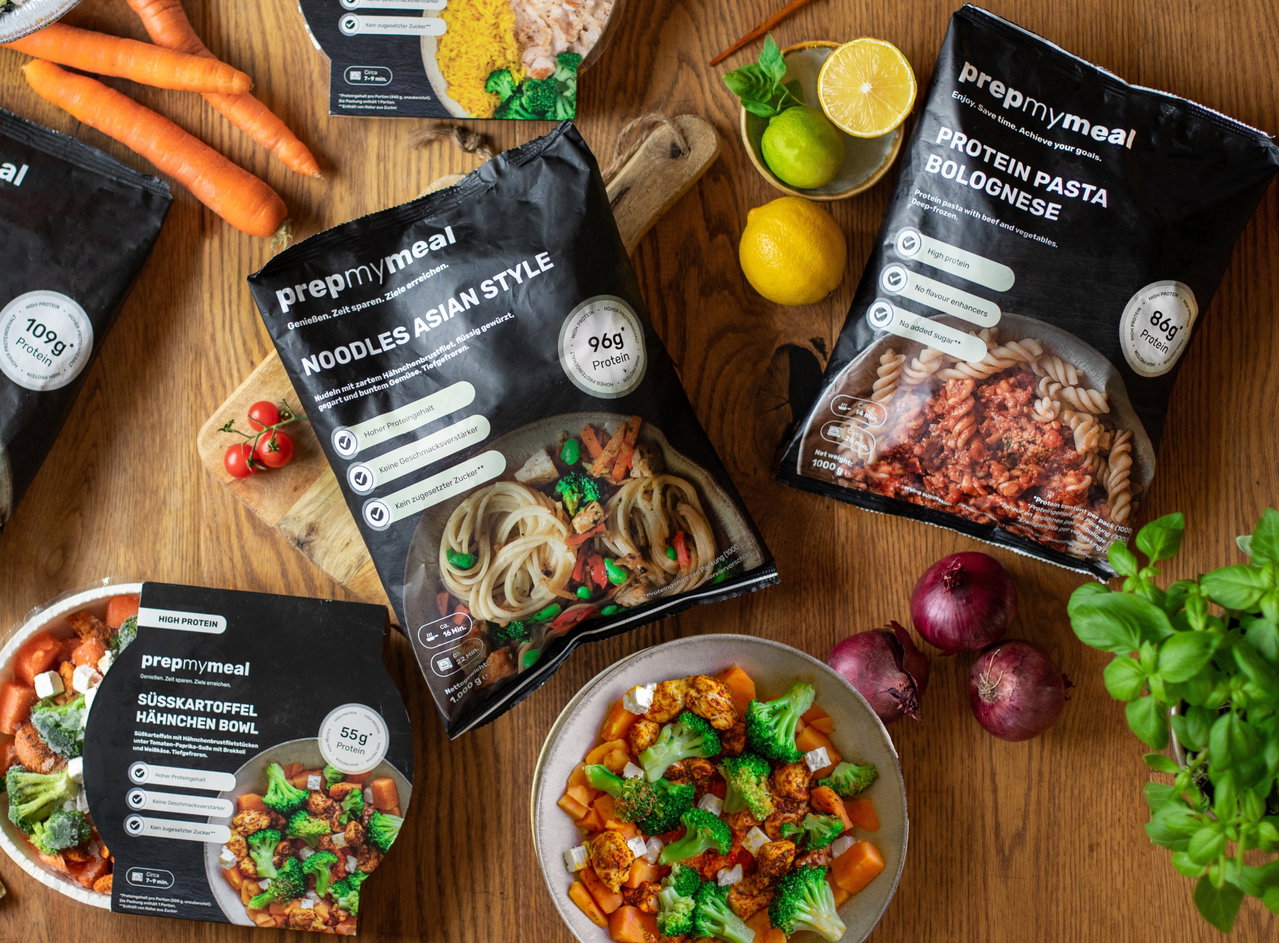
Praktische prepmymeal Gerichte entdecken!
ORDER NOW
The "Anti-Yo-Yo" Adjustment Guide (against the plateau effect)
Nach 2–4 Wochen stagniert bei vielen das Gewicht und sie wissen nicht wie sie weiter abnehmen können. Das ist kein Versagen, das ist Biologie. Der Körper reduziert bei längerem Defizit einfach seinen Energieverbrauch. Fachleute nennen das Adaptive Thermogenese. Was hilft:
Die Protein-Leverage-Hypothese
Studien zeigen: Menschen essen so lange, bis ihr Proteinbedarf gedeckt ist. Ist der Proteingehalt einer Mahlzeit zu niedrig, steigt automatisch die Gesamtkalorienaufnahme – ganz ohne bewusstes Zutun. Das bedeutet: Bei Fertiggerichten zum Abnehmen ist die Proteinmenge entscheidender als die reine Kalorienzahl. Wer das ignoriert, hat es beim Kaloriendefizit oft schwerer.
Darmflora: Ballaststoffvielfalt beim Abnehmen
Why fiber diversity is crucial
Zielwert: 30+ verschiedene Pflanzenarten pro Woche. Ballaststoffreiche Komponenten sind Teil einer abwechslungsreichen Ernährung. Daher werden prepmymeal-Gerichte mit Fokus auf Ballaststoffvielfalt zusammengestellt.
Cost analysis 2026: Ordering vs. cooking at home
opportunity costs
Rechnet man die Zeit für Einkauf, Planung, Kochen und Abwasch mit nur 12 € Stundenlohn: → 8–12 Stunden pro Monat = 96–144 €
Für Singles oder Berufstätige sind Fertiggerichte zum Abnehmen oft sogar günstiger als selbst kochen, besonders bei Einzelportionen
Carbon footprint: Delivery service
vs. supermarket
This surprises many people: central kitchens are more energy-efficient than decentralized home cooking, and bundled deliveries significantly reduce travel. Individual car trips with combustion engines often have a worse environmental impact. Nevertheless, the decisive factor is:
Type of packaging (recyclable vs. composite materials)
local ingredients
delivery distance
Personalization 2026:
More than just a "diet box"
Moderne Fitness Fertiggerichte gehen über den Standard-Einheitsplan hinaus.
Meaningful adjustments might look like this, for example:

training days
more complex carbohydrates and 20–30 g more protein

low-activity days
Increase vegetable intake and moderately reduce carbohydrates

Women in their cycle
Luteal phase: more magnesium & complex carbohydrates
Follicular phase: Focus on protein and lighter meals
Das ist der Unterschied zwischen individueller Anpassung und einem generischen Diätplan. Wer beispielsweise Tiefkühl Fertiggerichte nutzt, kann sich einen Vorrat anlegen und trotzdem flexibel auf solche Phasen reagieren, ohne täglich neu bestellen zu müssen. Ähnlich funktioniert das mit kohlenhydratreduzierten Gerichten an bewegungsarmen Tagen: nicht als Dauerlösung, sondern als gezieltes Werkzeug.
Conclusion: When is ordering food for weight loss really worthwhile?
It makes sense if you:
have little time
You need portion control
Structure instead of willpower
Wenig bringt es dagegen, wenn du einfach nur „weniger essen" willst, ohne Gedanken über Protein, Ballaststoffe oder Verarbeitungsgrad. Dann sind auch die kalorienarmen Fertiggerichte nur ein teurer Umweg. Genauso wie Gerichte zum Abnehmen generell kein Allheilmittel sind, sie sind ein Werkzeug und Werkzeuge helfen nur, wenn man weiß, wie man sie einsetzt
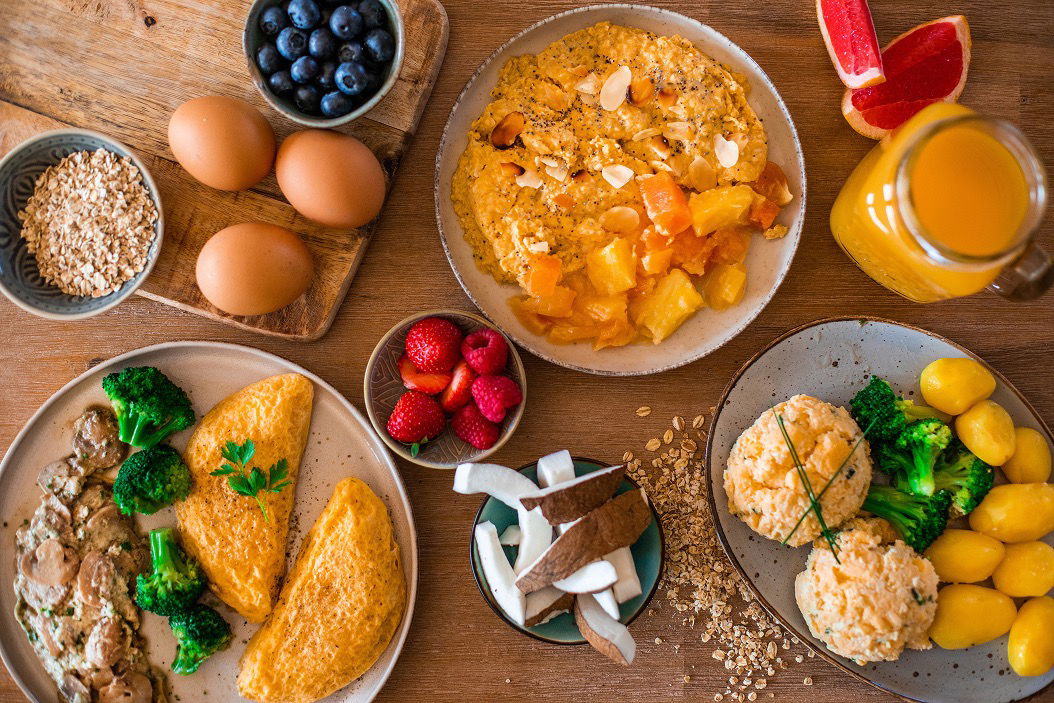
Jetzt Gerichte von
prepmymeal entdecken!
ORDER NOW
Questions and answers.
That depends on gender, weight, and activity level. A moderate deficit of 300–500 kcal below maintenance requirements is more sustainable in the long term than crash diets.
Das kommt auf die Zusammensetzung an – wichtig sind ein ausgewogenes Nährstoffprofil, ein möglichst geringer Verarbeitungsgrad und eine ausreichende Proteinmenge (mind. 1,6 g/kg Körpergewicht).
Increase protein, increase fiber, or incorporate one refeed day per week.
For families, usually yes. For singles with food waste, often no.
No—the key is to learn healthy eating habits and portion control.
Follow us on social media


